Poker strategy that sticks.
Walk-through articles on the spots that decide pots: counting outs, defending blinds, c-betting wet boards. Each one ends with a habit you can use at the table.
How split pots actually work, with three side-pot scenarios
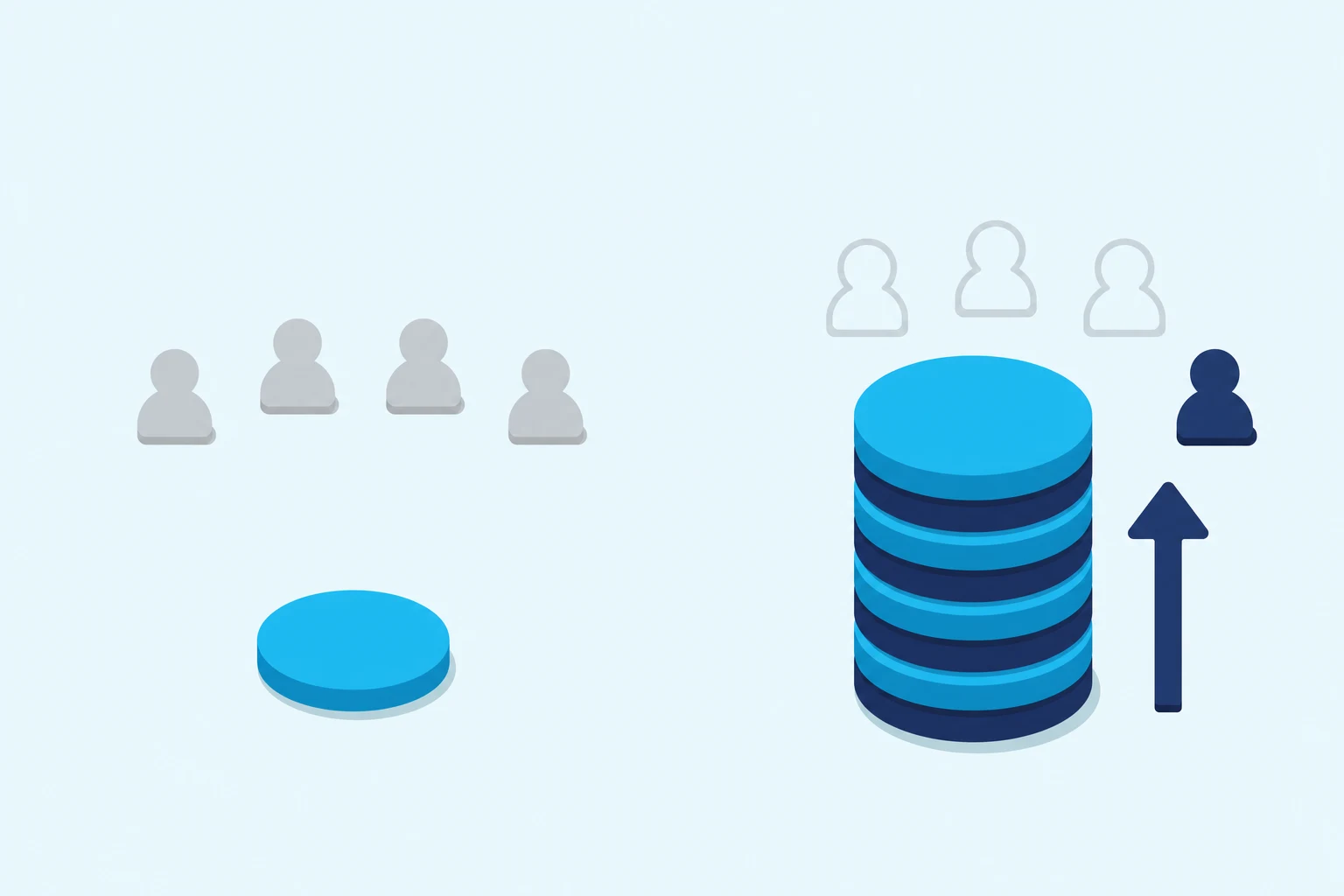
When two or more players show the same best five-card hand at showdown, the pot is divided evenly. The trickier case is the all-in pot that splits into a main pot and one or more side pots. Here is how each layer is built, who's eligible, and what happens to the odd chip.
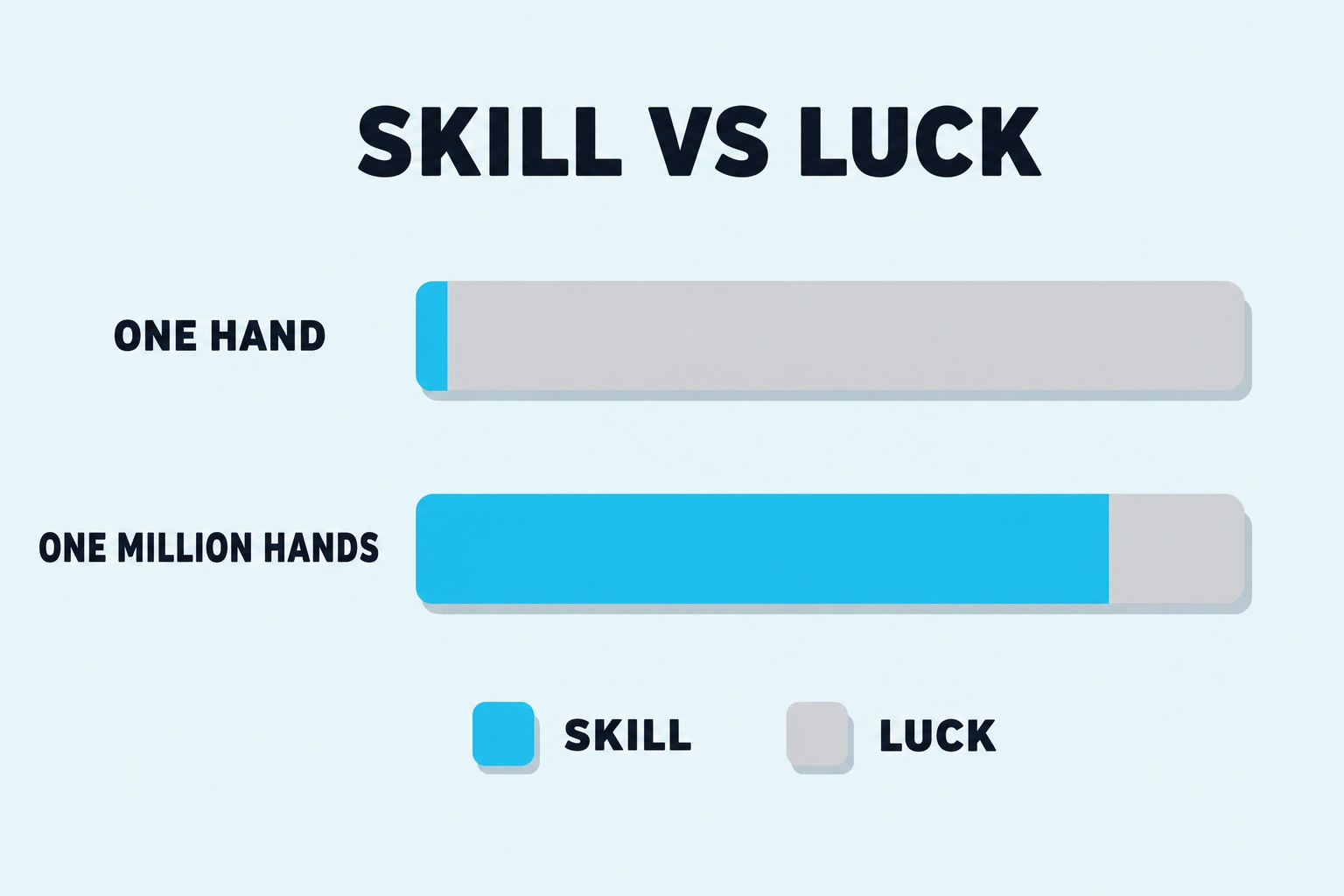
Is poker a game of skill? What the research actually shows
Five academic studies, plus a chart from our own AI evaluation, plus the math behind why one Friday night says nothing about whether you can play.
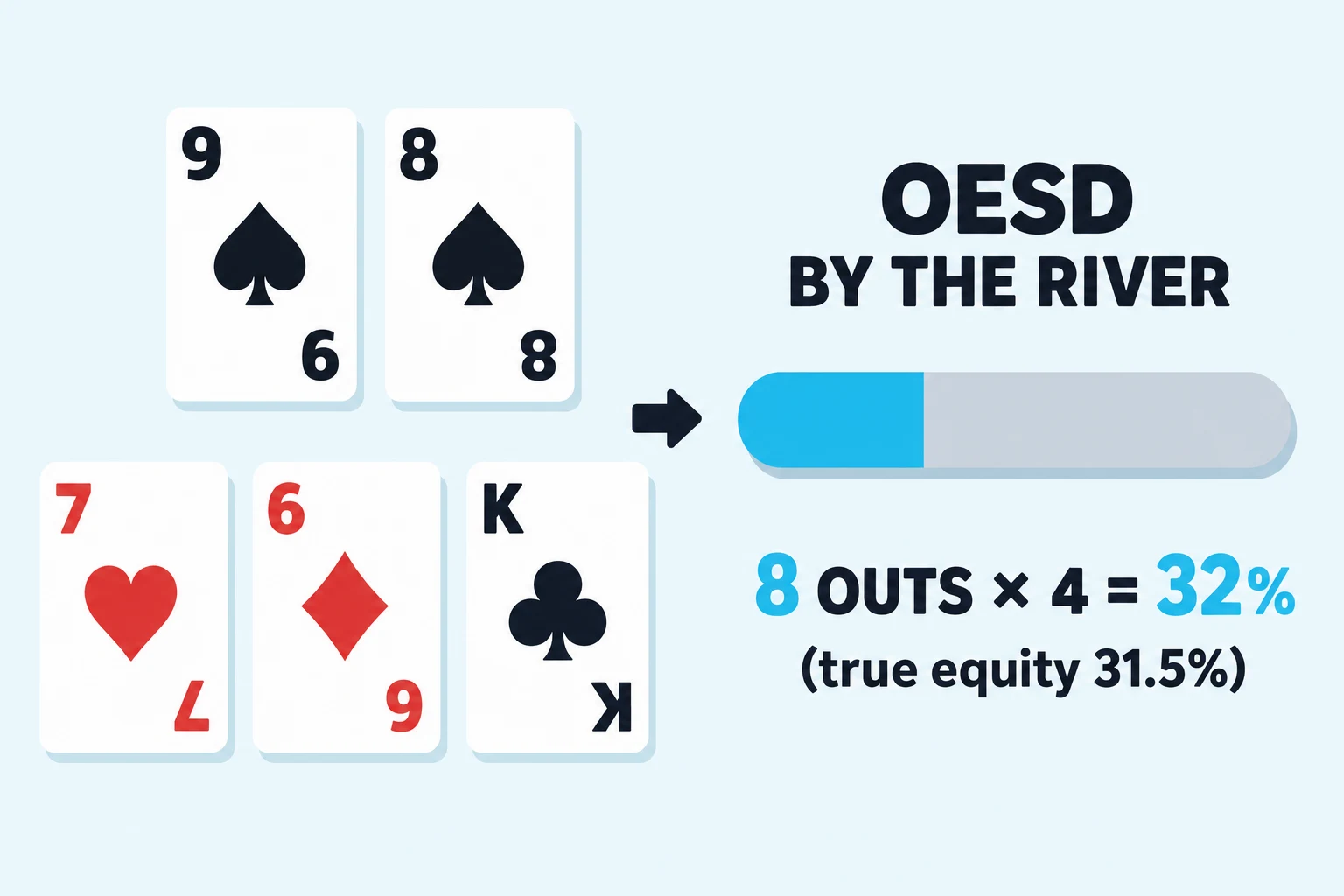
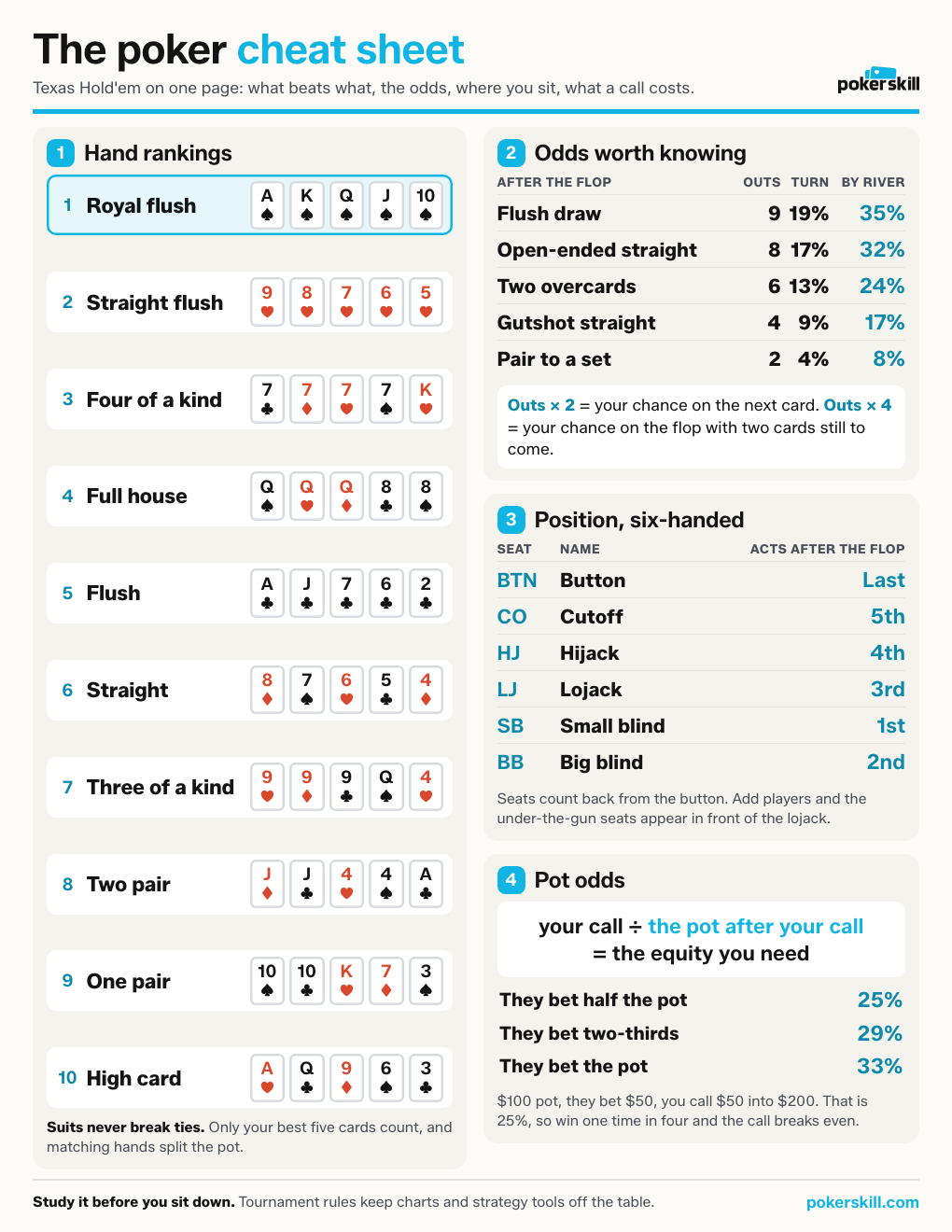
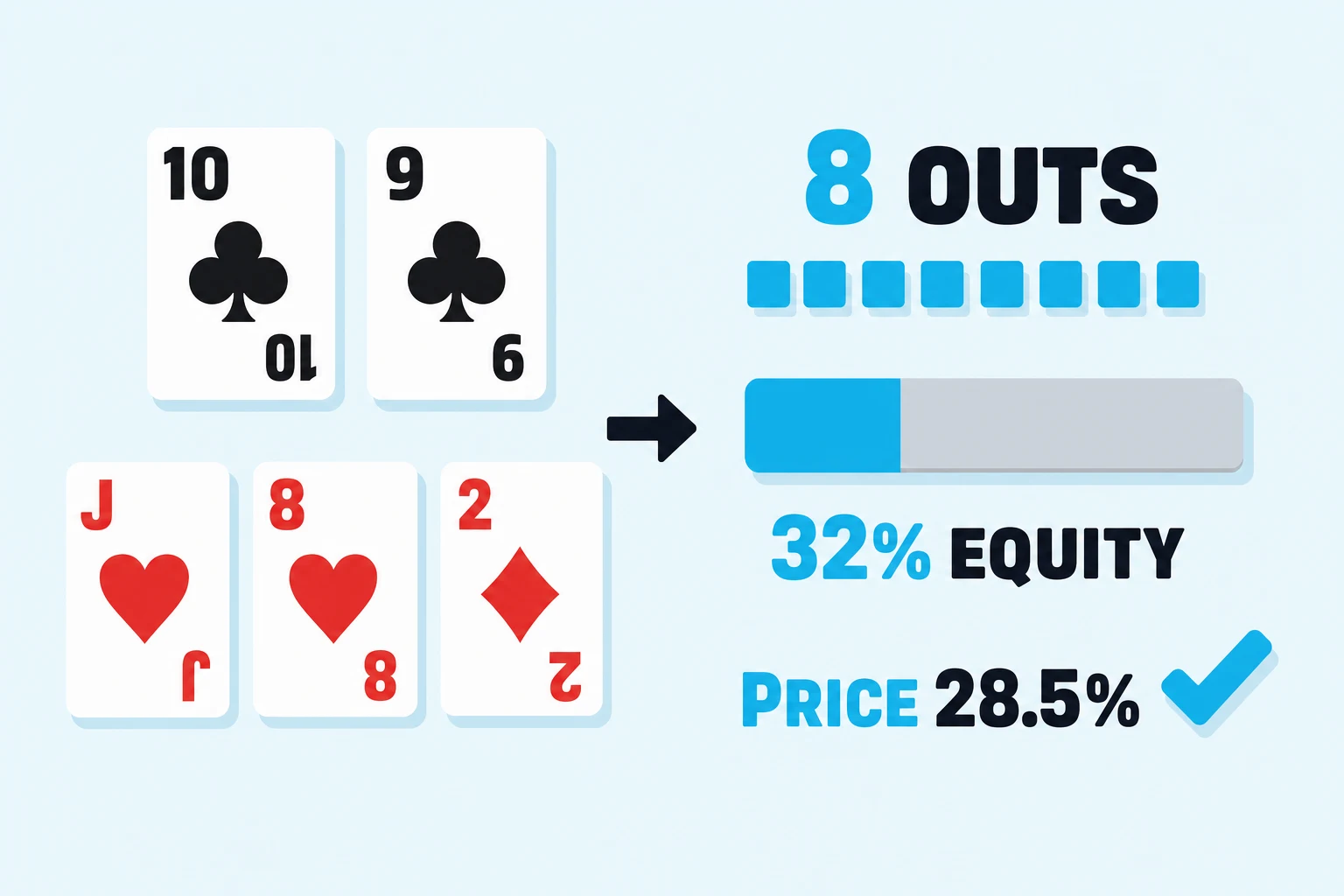
OESD Probability: 8 Outs, 31.5% by the River
An open-ended straight draw is 8 outs — about 17% on the turn and 31.5% by the river. The math walked, three worked hands, and the spots where the number lies.
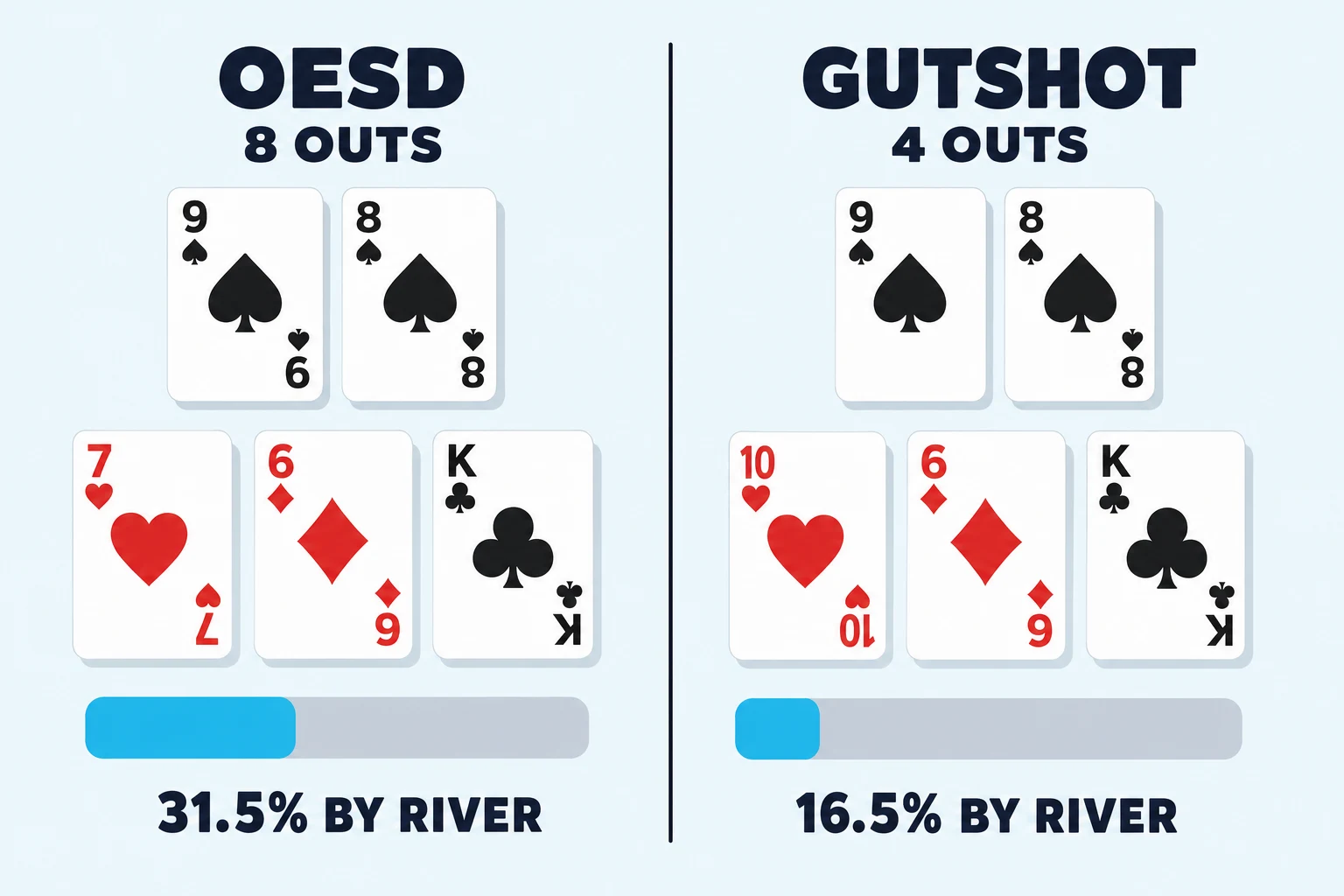
OESD vs Gutshot: Counting Straight Outs the Right Way
An OESD is 8 outs and 31.5% by the river. A gutshot is 4 outs and 16.5%. The math, three worked hands, and when the gap closes or widens.
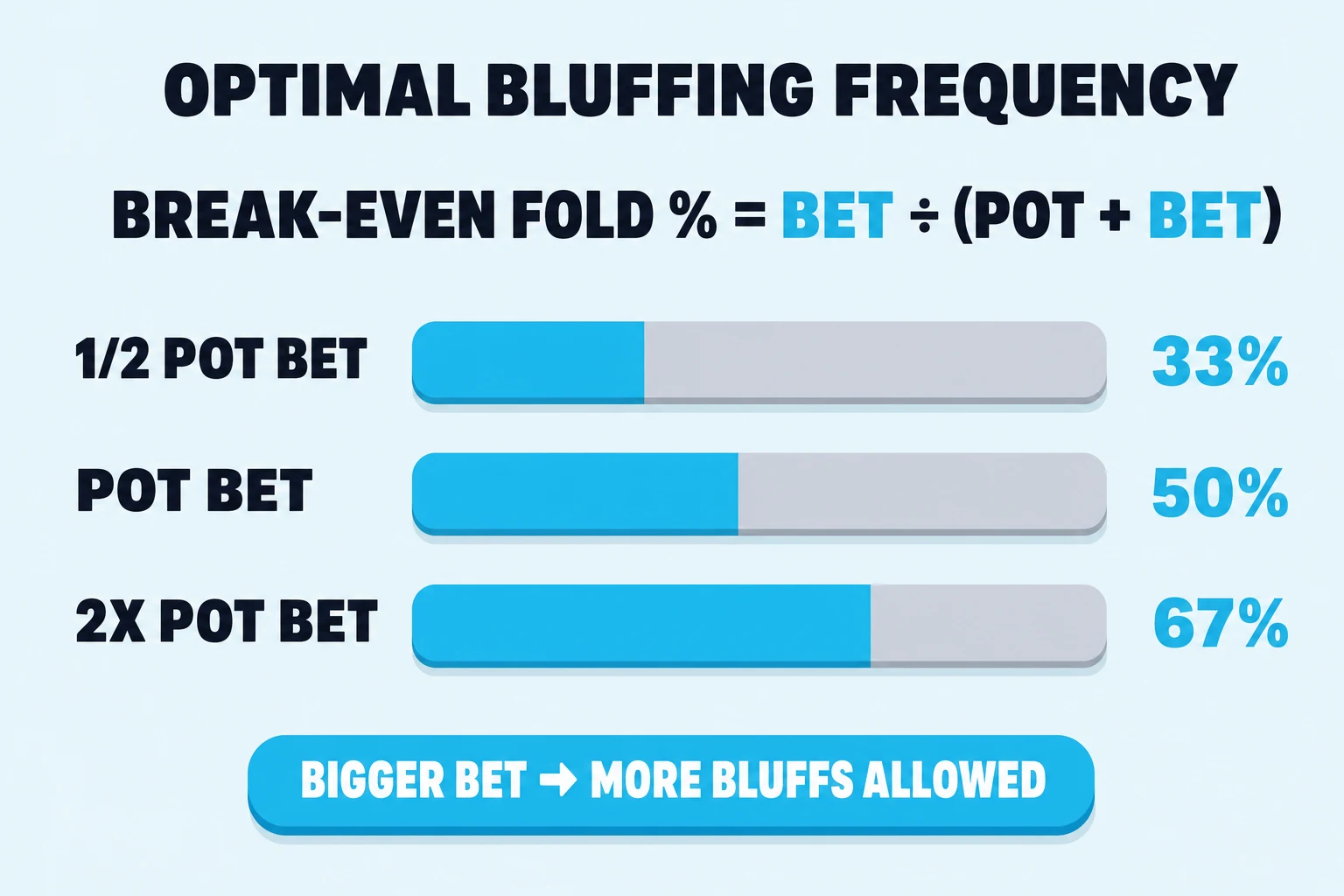
Optimal bluffing frequency: the formula and when it lies
The break-even formula for a bluff is risk over risk plus reward. The mirror is your minimum defense frequency. The third number, bluff share of the betting range, is set by the price your bet gives the caller.
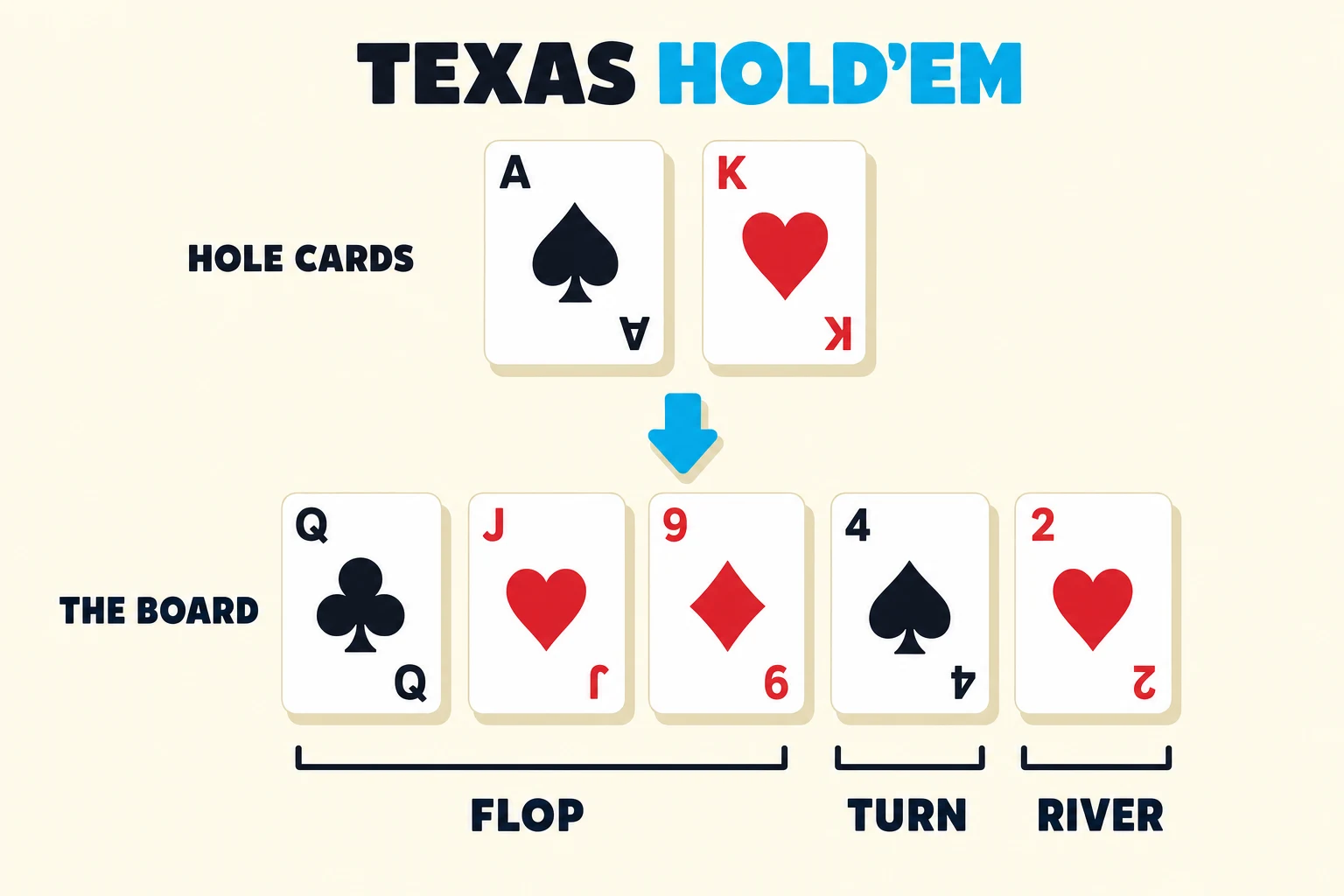
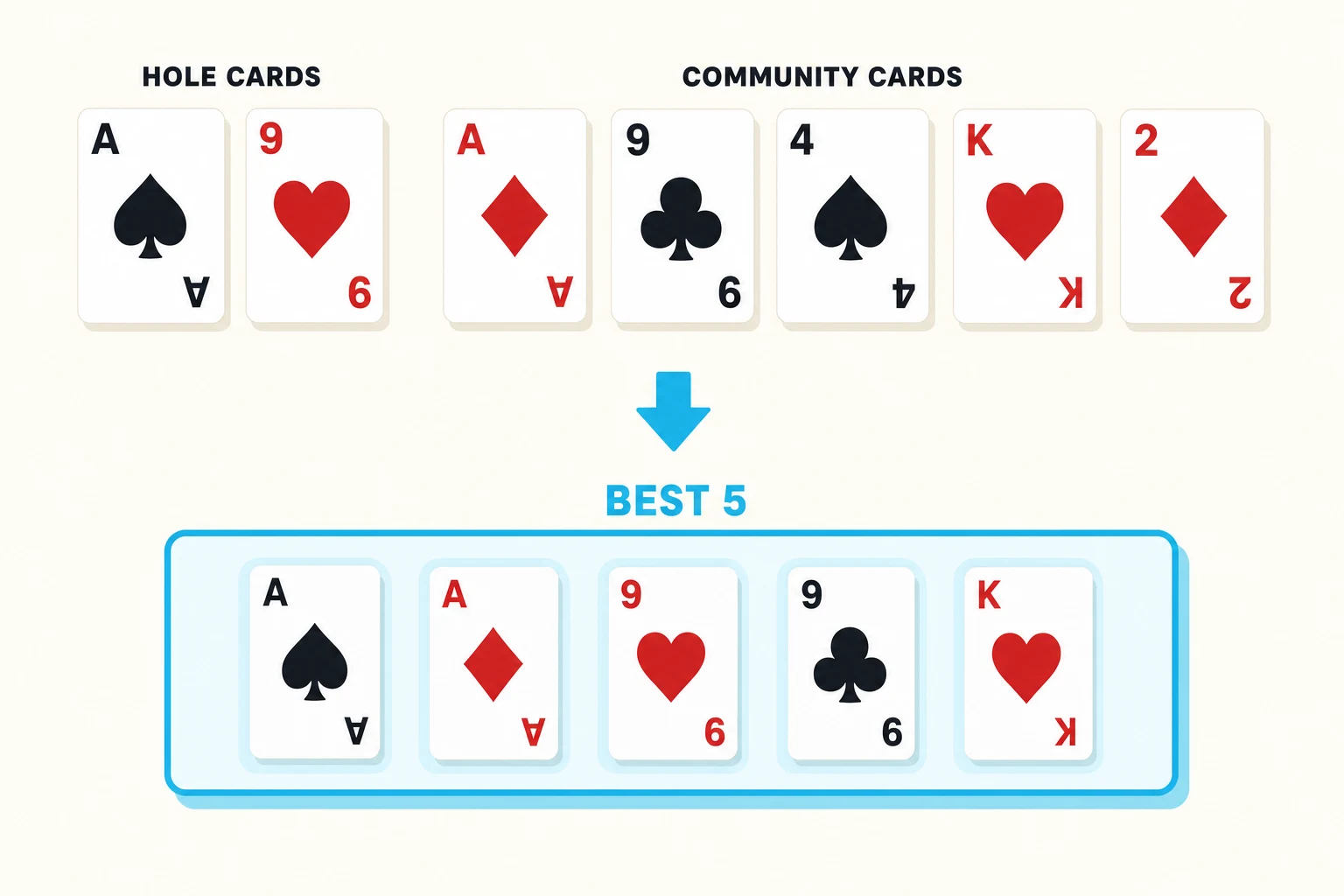
Texas Hold'em: the best five from seven cards rule
Your Hold'em hand is the best five cards drawn from your two hole cards and the five community cards. You can use zero, one, or both. Worked examples, ties, and the spots where the rule trips beginners.
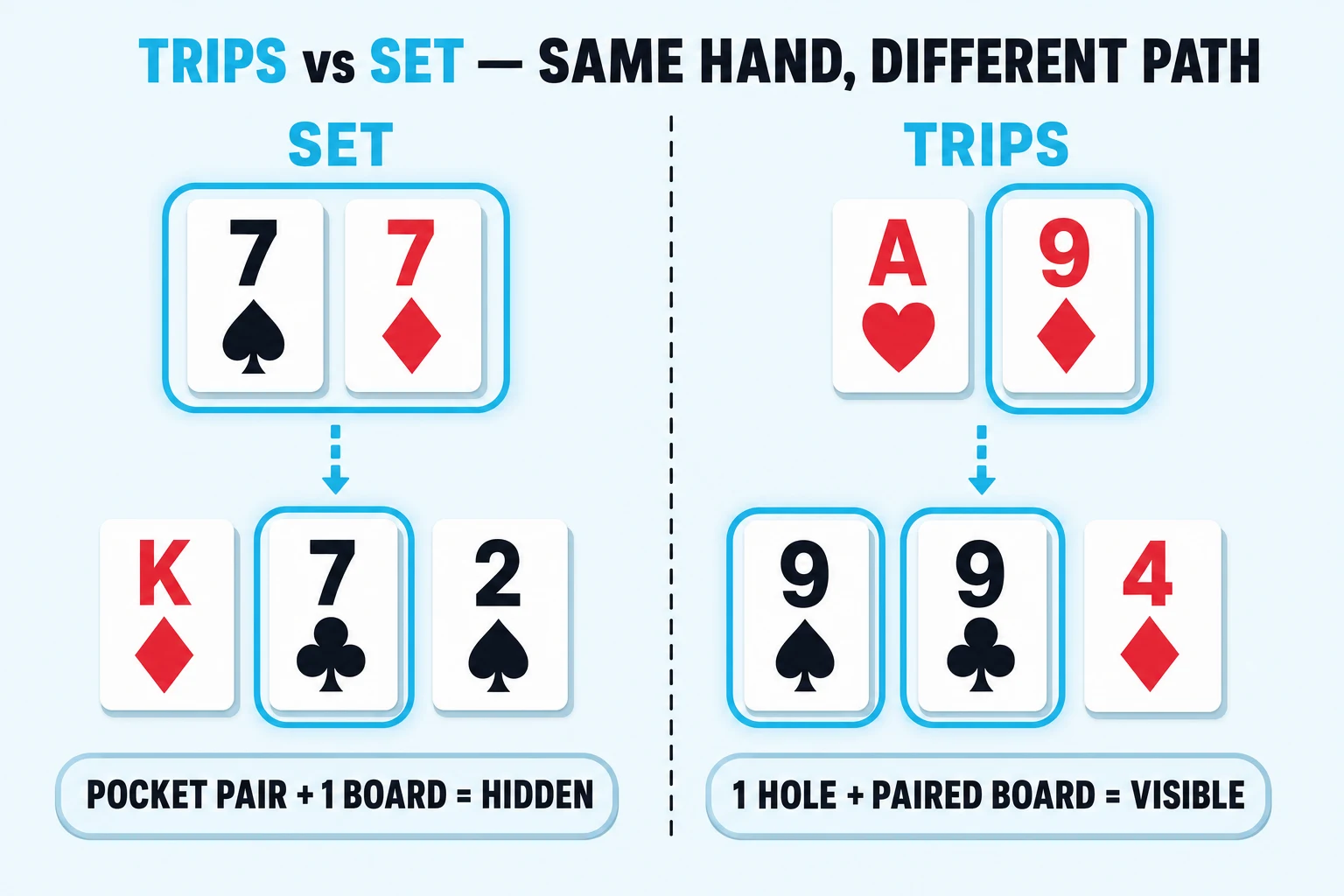
Trips vs Set: same hand, different stories
Both make three of a kind, but the path matters. Here is the one-glance test, three worked hands, and why a set quietly prints money while trips have to fight for it.
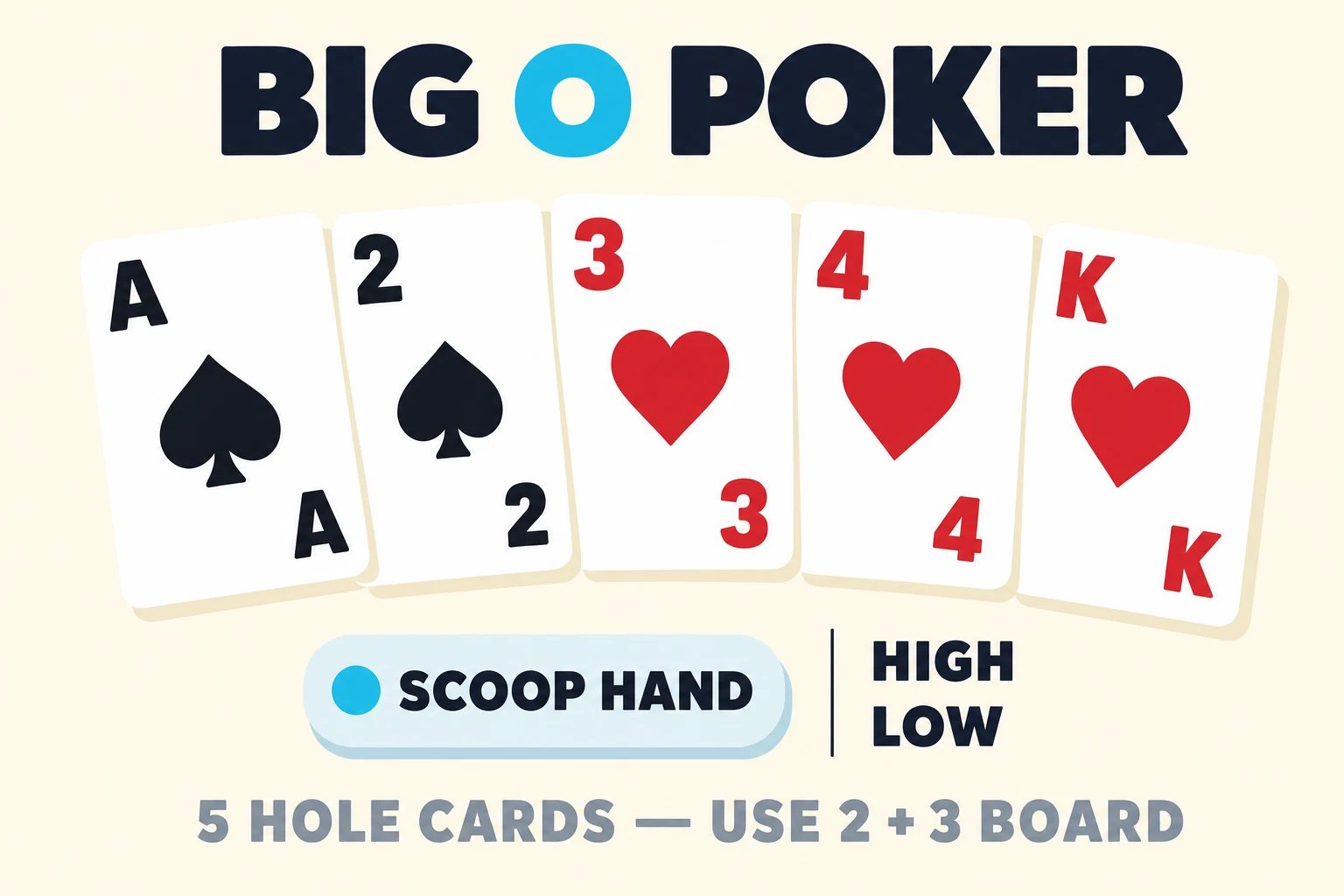
Big O Poker: Rules, Hand Selection, and Beginner Mistakes
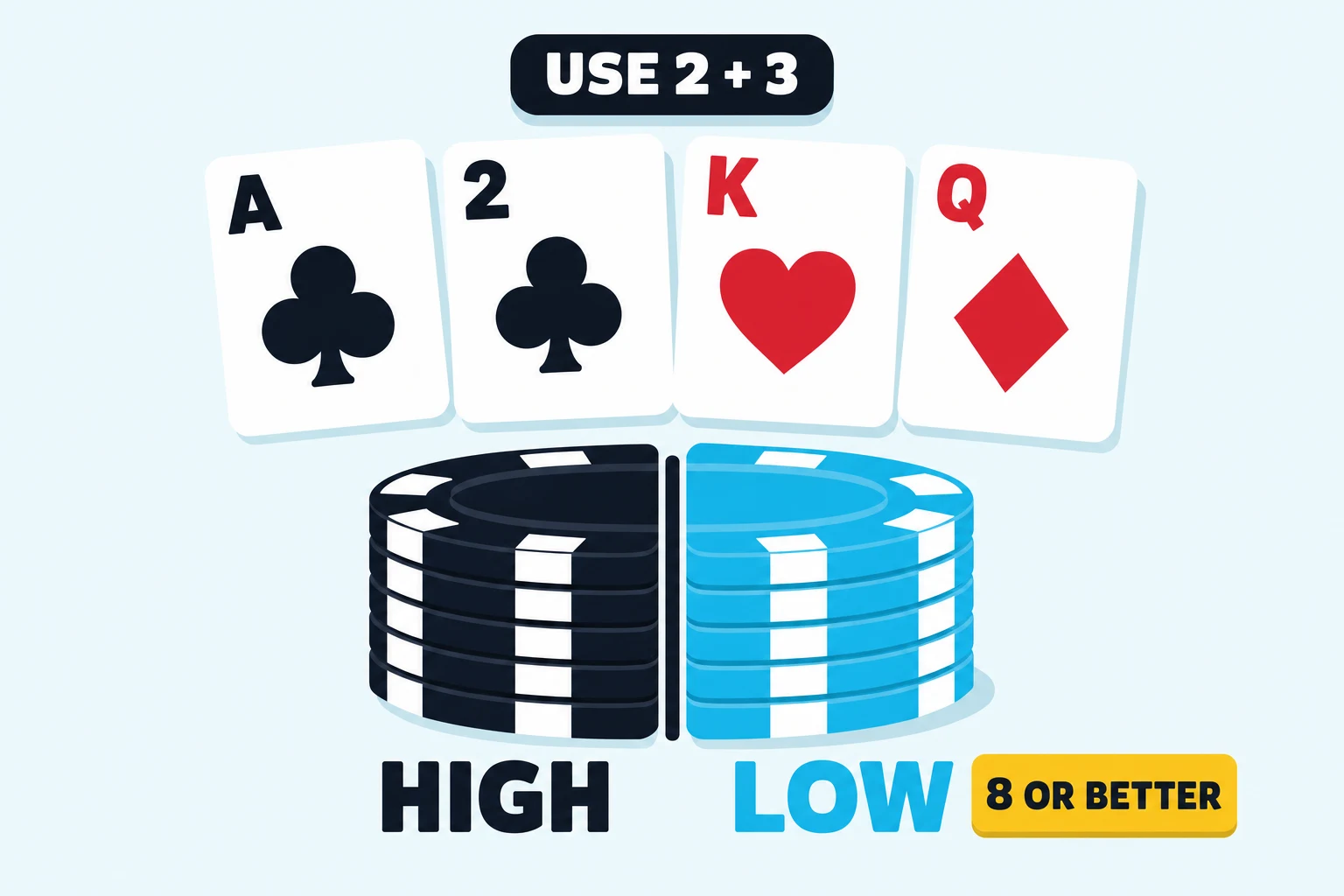
Big O is 5-card pot-limit Omaha hi-lo with an 8-or-better qualifier. The rules, what makes a starting hand strong, three worked hands, and the five mistakes that drain bankrolls fast.
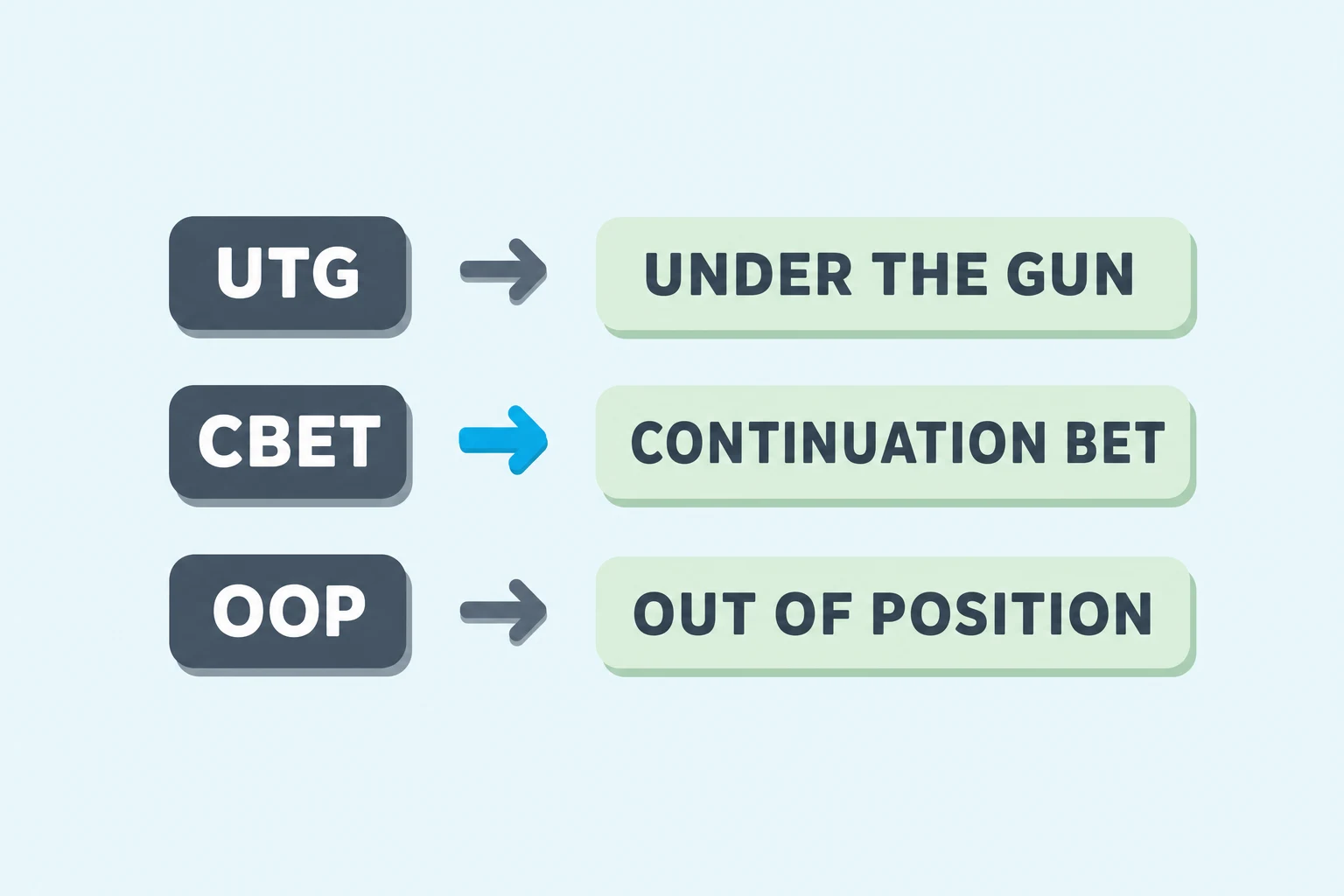
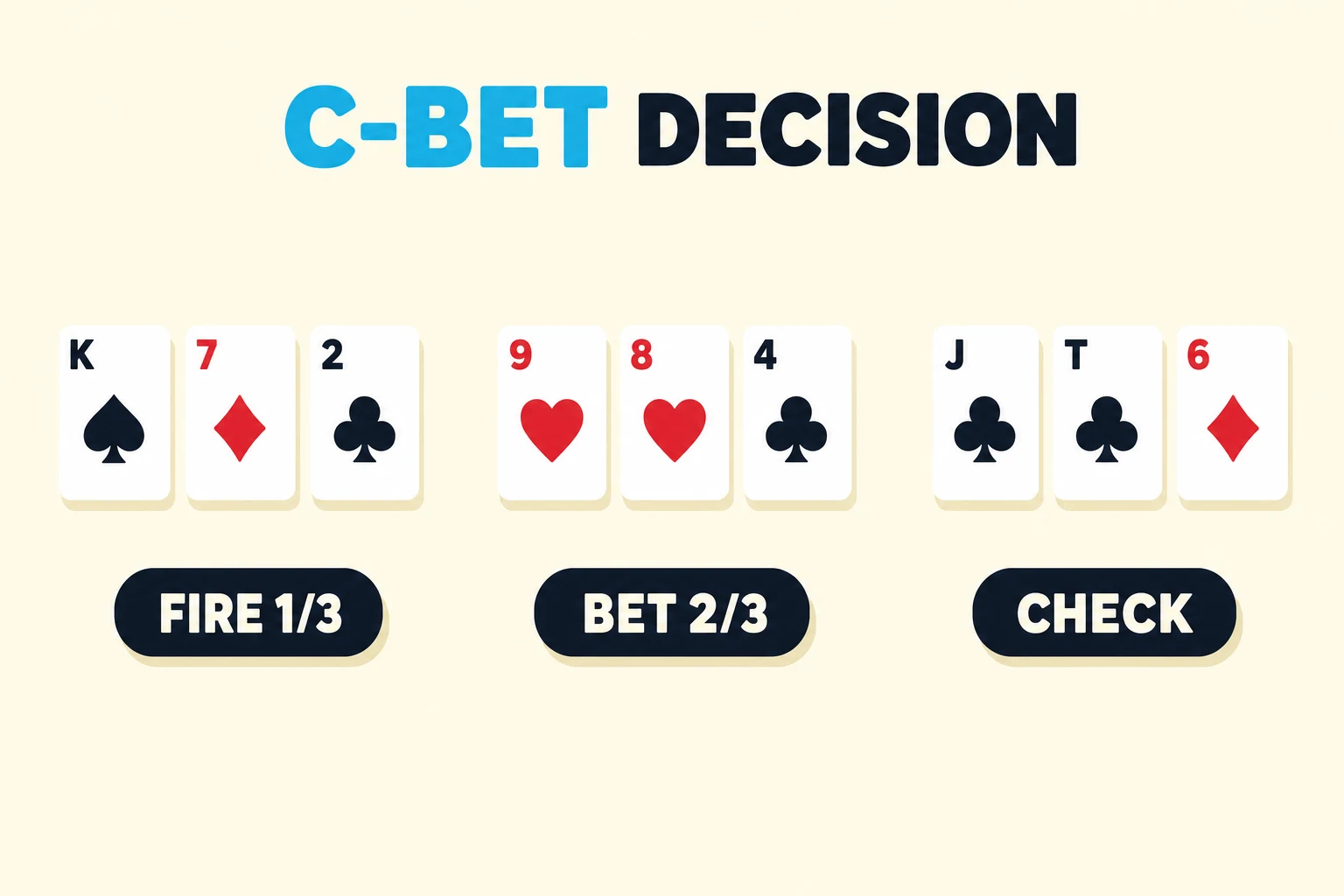
C-bet strategy: when to fire the flop and when to check
The preflop raiser's flop bet shouldn't be automatic. Three boards walked, the sizing pegs that work, and the spots where firing every flop quietly bleeds money.
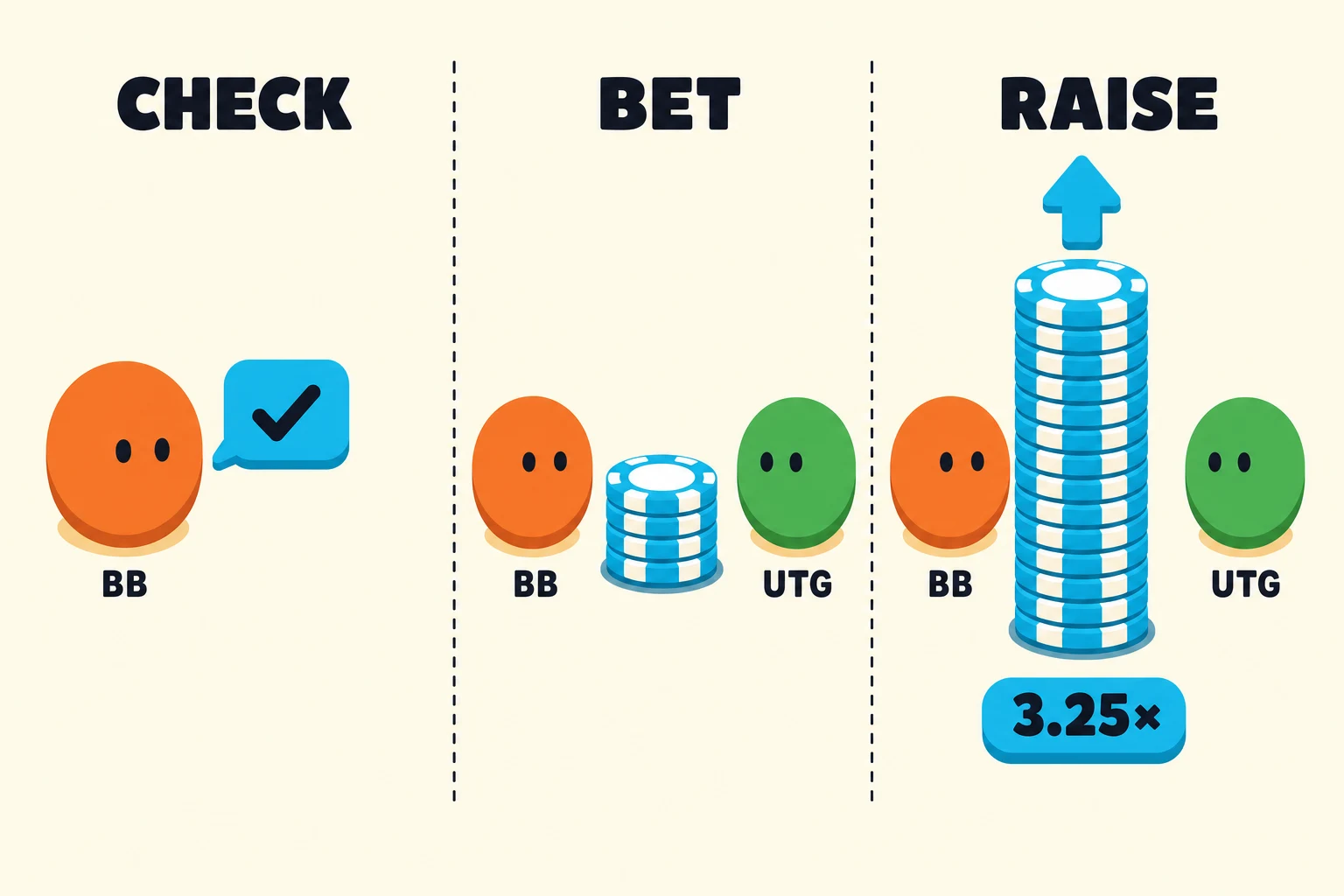
Check-raise strategy: when to fire, how big, and the trap
Check-raise turns a weak-looking check into a hard punch. Walk through the two camps, the sizing table, three worked hands, and where the move gets you in trouble.
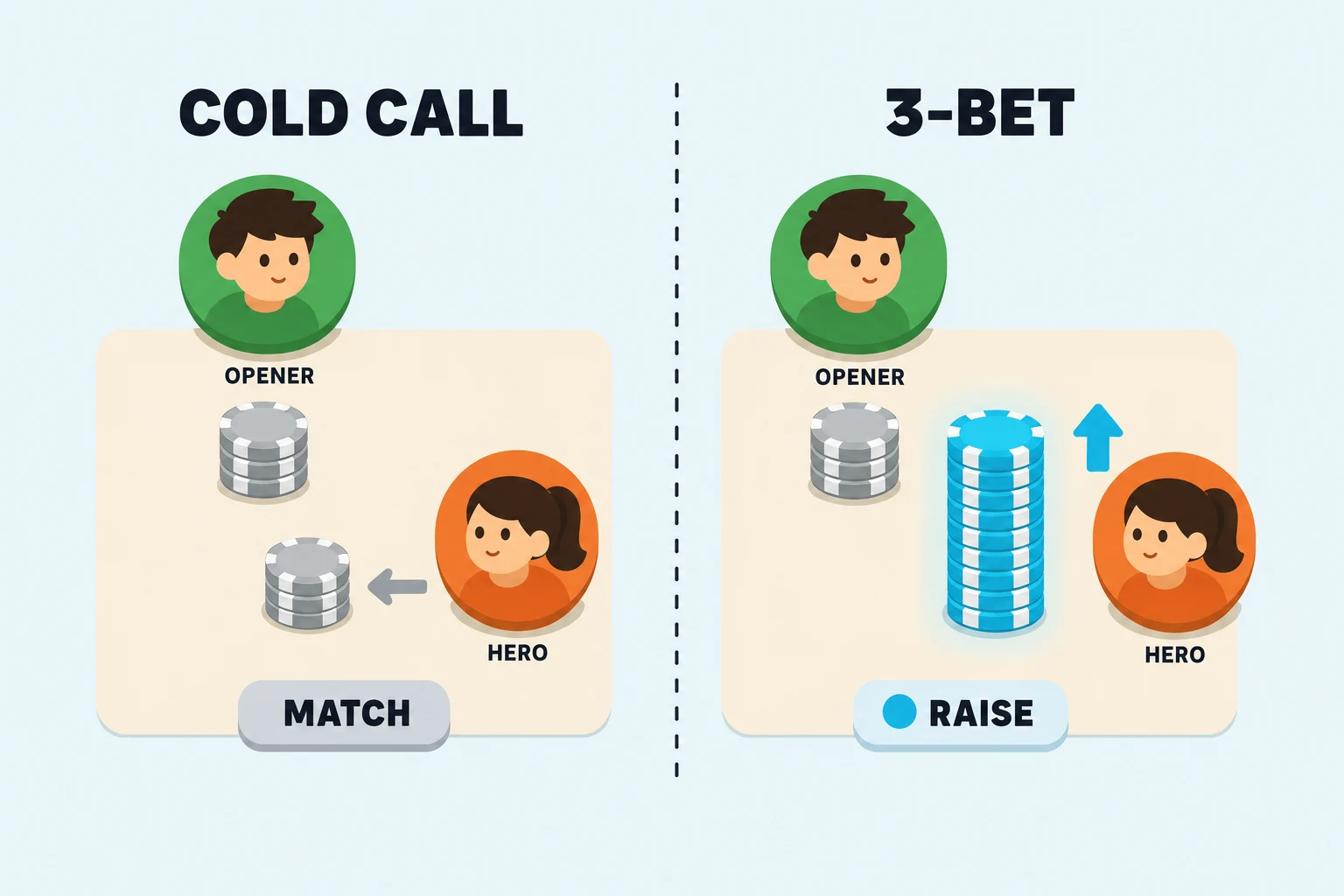
Cold call vs 3-bet: which to pick in late position
When the action folds to an opener and comes to you, the call/raise decision hinges on four switches. Walk through the table, three worked hands, and the spots where the rule lies.
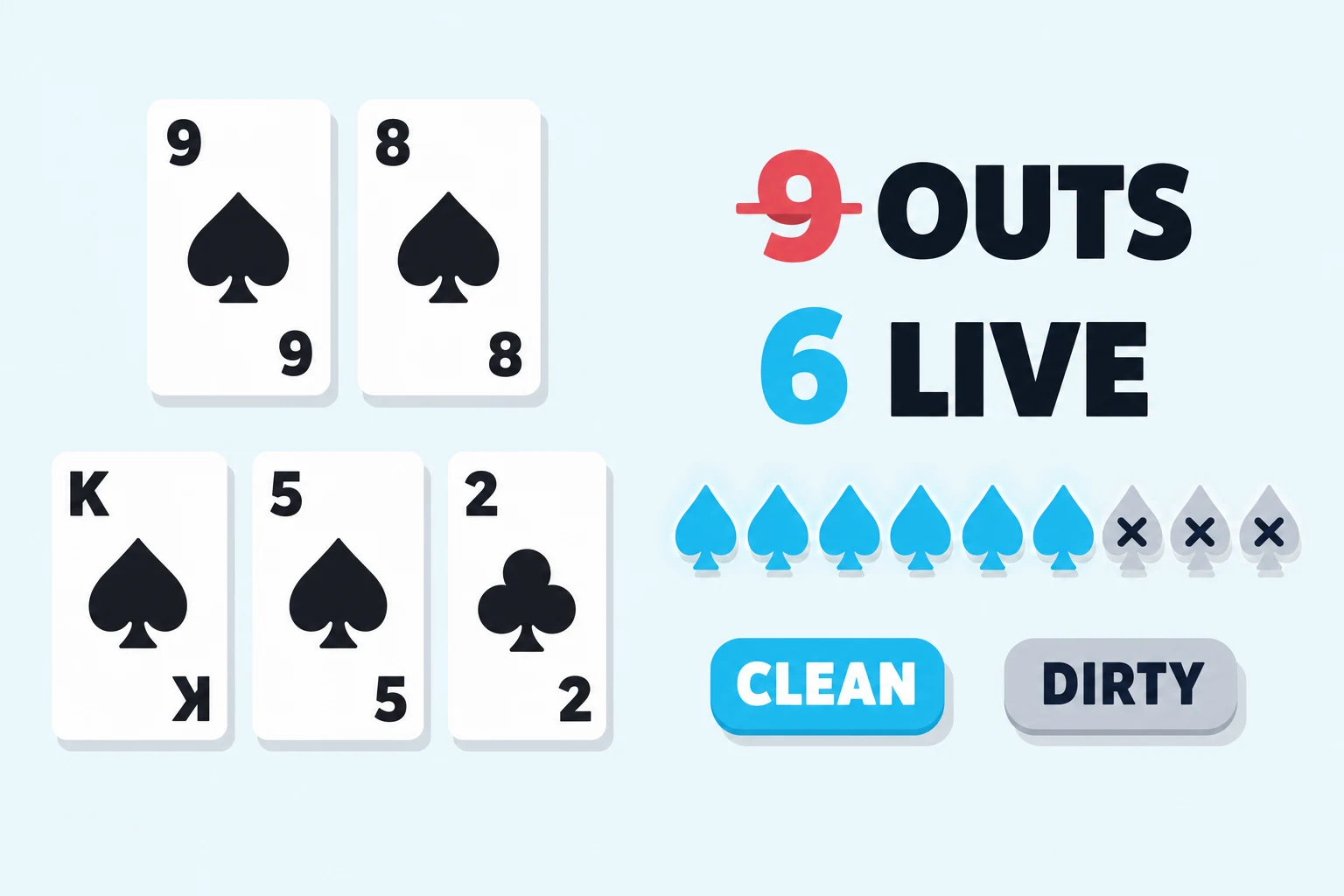
Counting outs: clean, dirty, and the ones in between
Some outs win you the hand. Some lose you more money when they hit. Three worked hands and a five-second routine for discounting outs at the table.
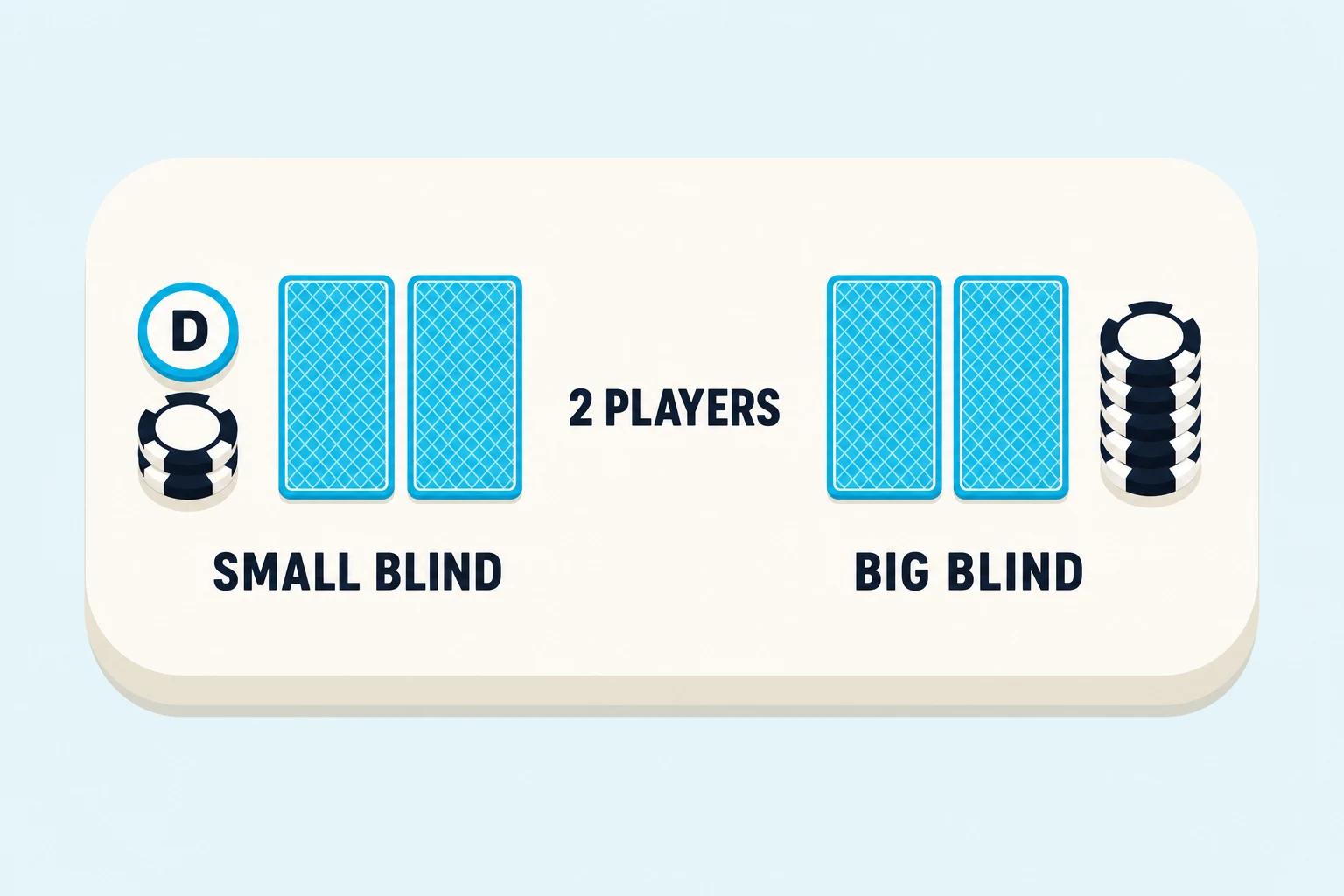
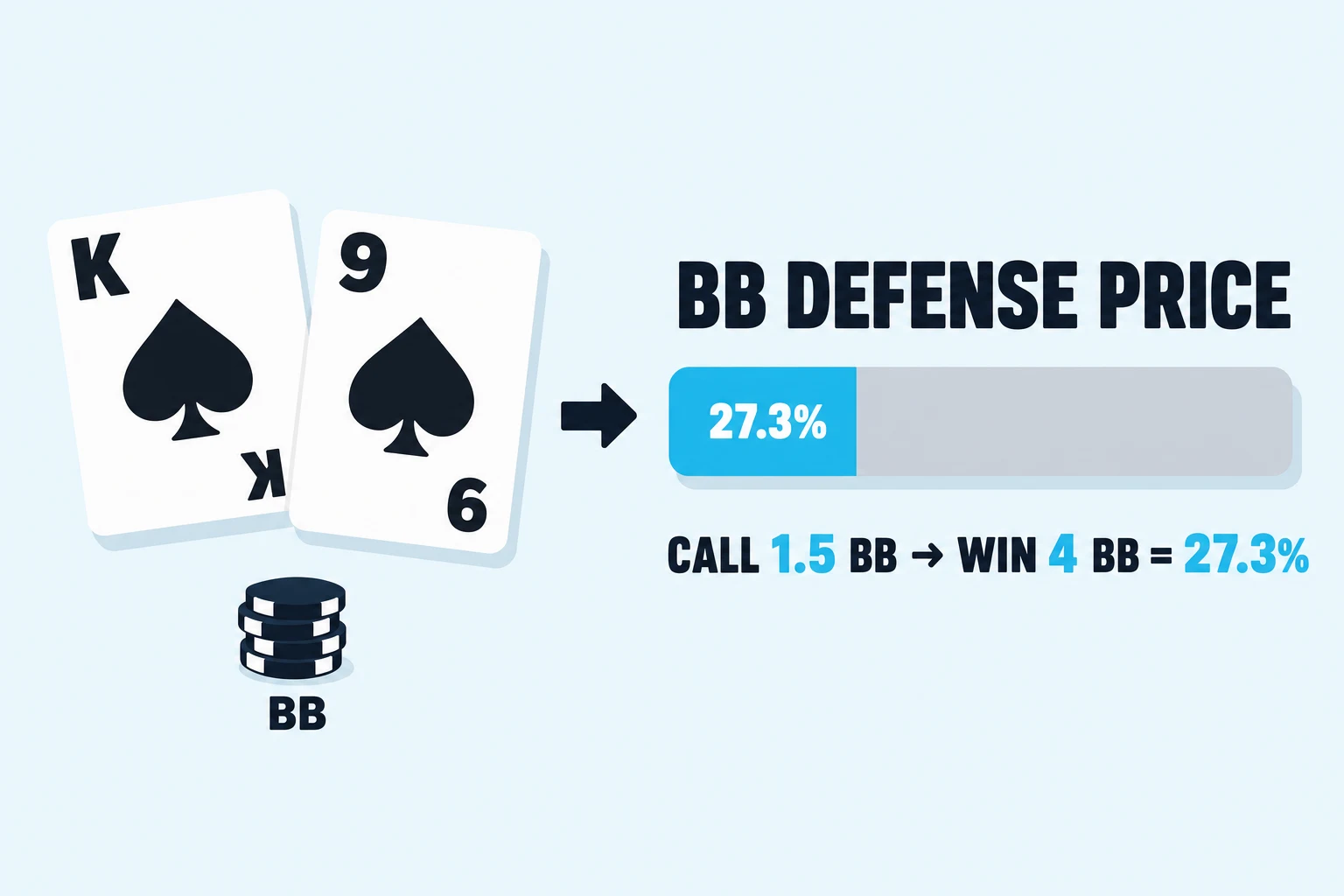
Defending Your Big Blind: A Math-First Guide
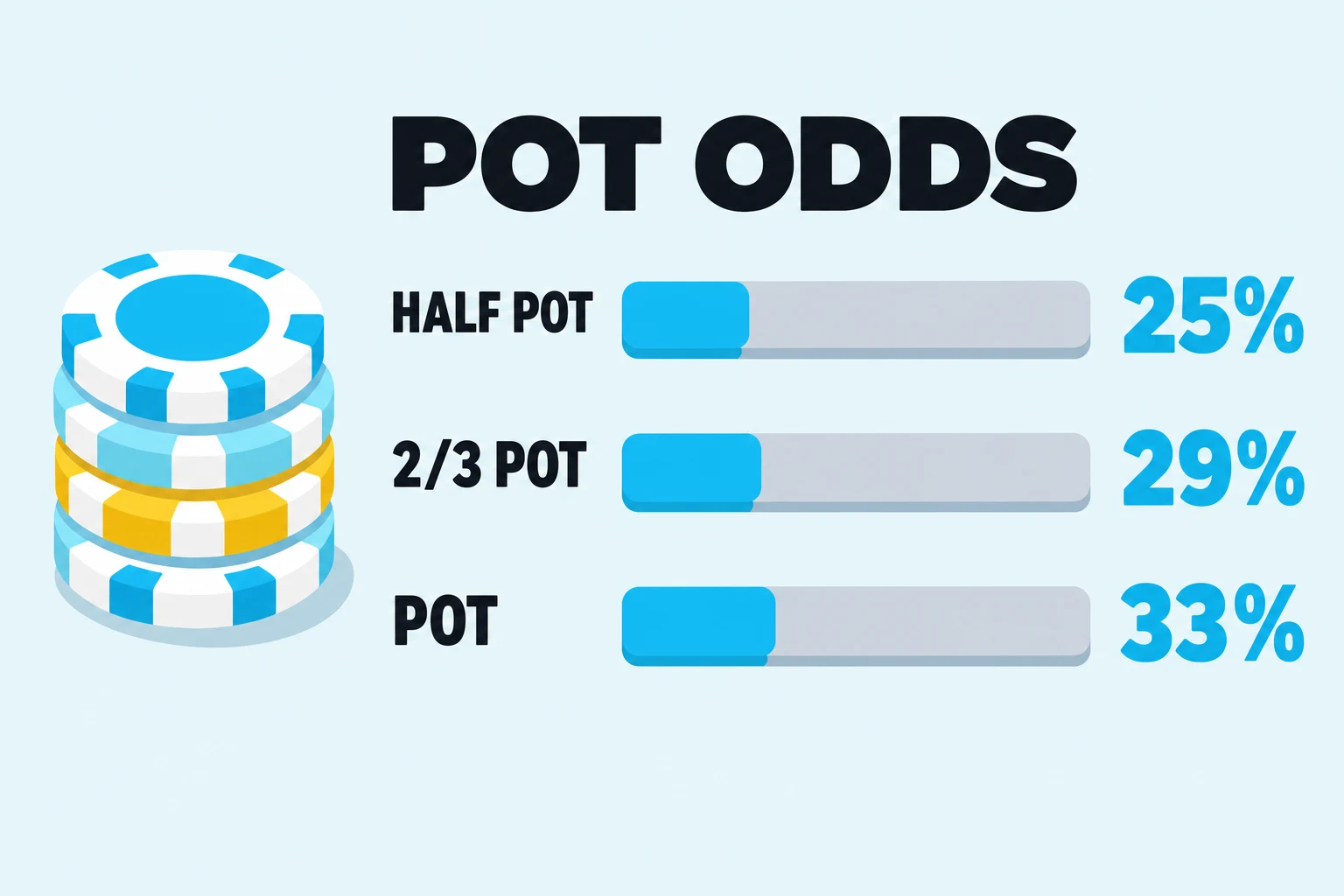
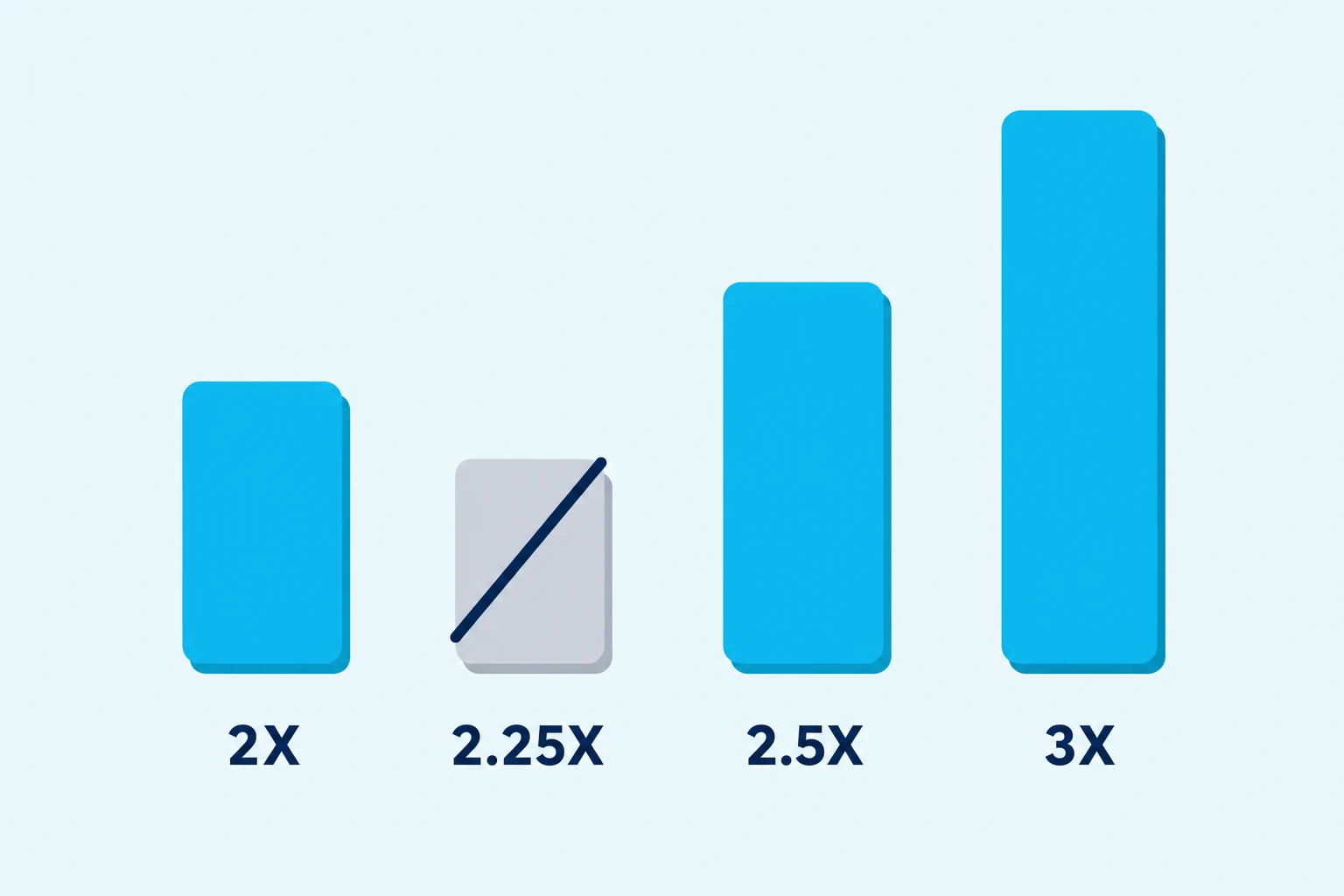
Facing a 2.5x button open from the big blind, you need 27.3% equity to call. The math walked, an MDF table, three worked hands, and the leaks the price hides.
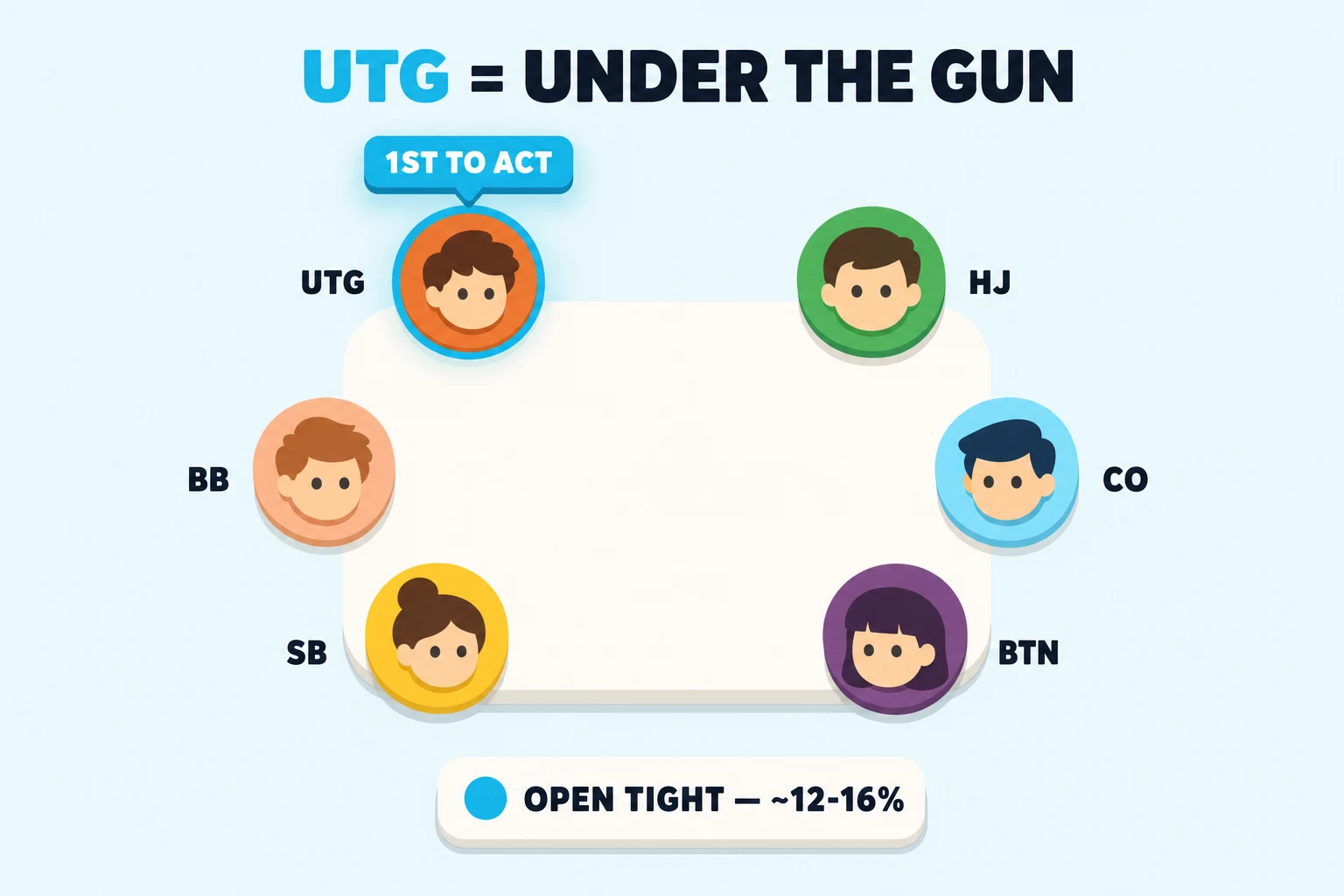
How to play UTG: opening ranges and three common leaks
Under the gun is the toughest seat preflop. Open tight, size to thin the field, and avoid the three leaks that cost UTG players the most.
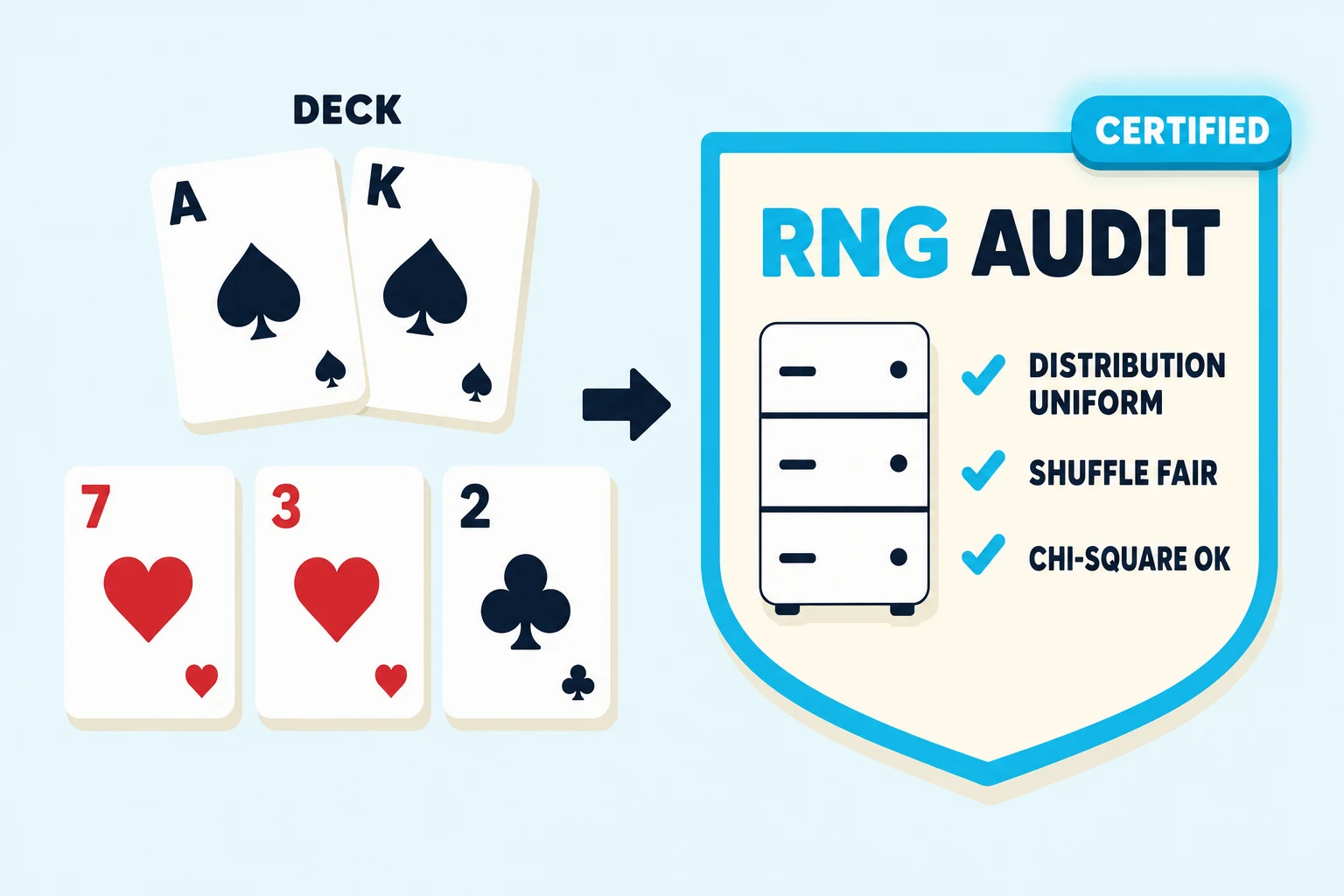
Poker RNG: shuffles, audits, and "is poker rigged"
How online poker shuffles a deck, what an RNG audit actually certifies, and why the patterns you notice at the table are almost always variance, not rigging.
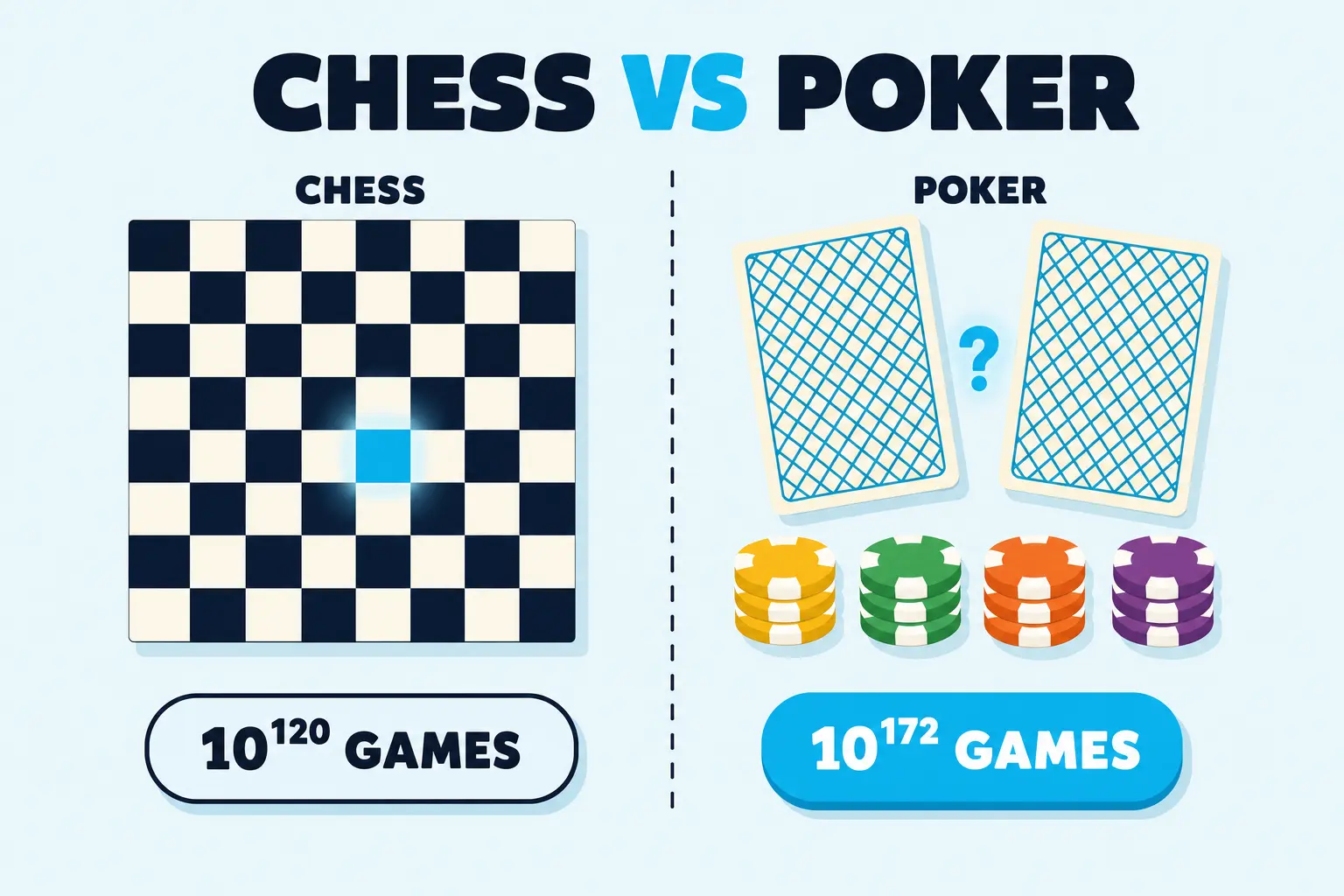
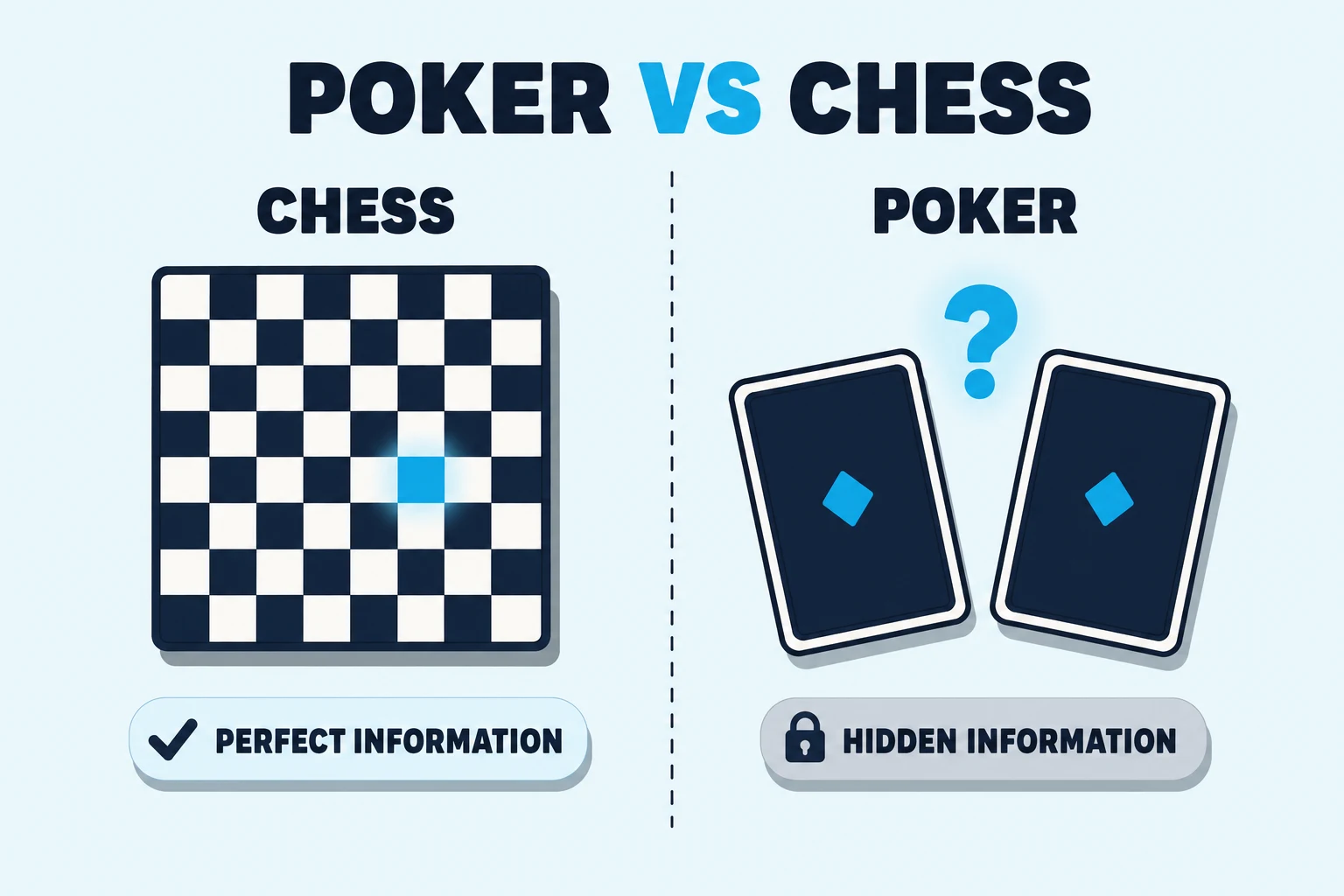
Poker vs Chess: Two Skill Games, Very Different Reps
Both reward thinking, but the thinking is shaped differently. Chess is perfect information; poker is decision-making under uncertainty — and that single split changes how you practice, how you measure progress, and what 'getting better' even means.
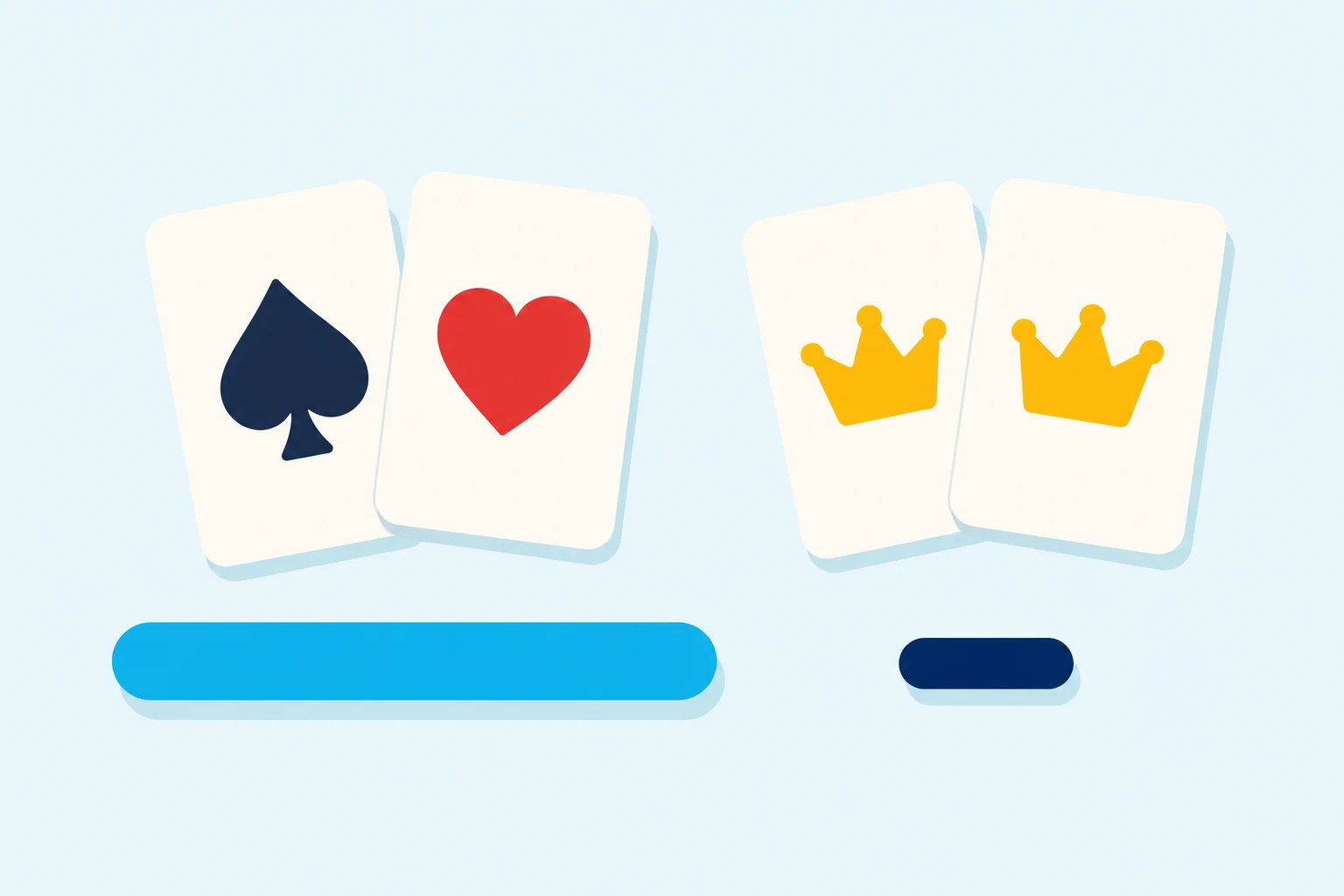
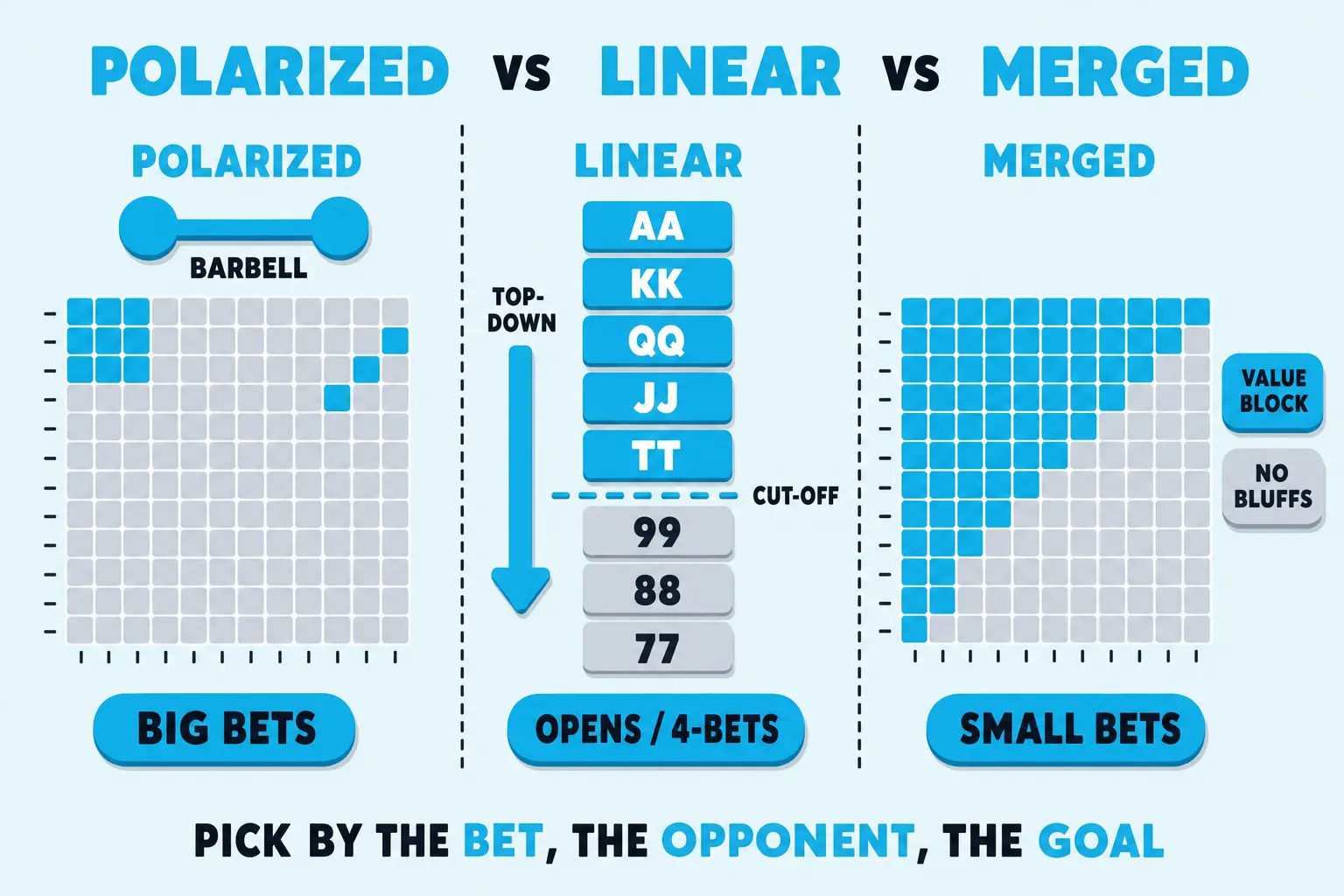
Polarized, linear, merged ranges: which one when
Three range shapes, three different jobs. The shape that matches your bet size, your opponent, and your goal — with worked hands and a three-question picker you can run at the table.
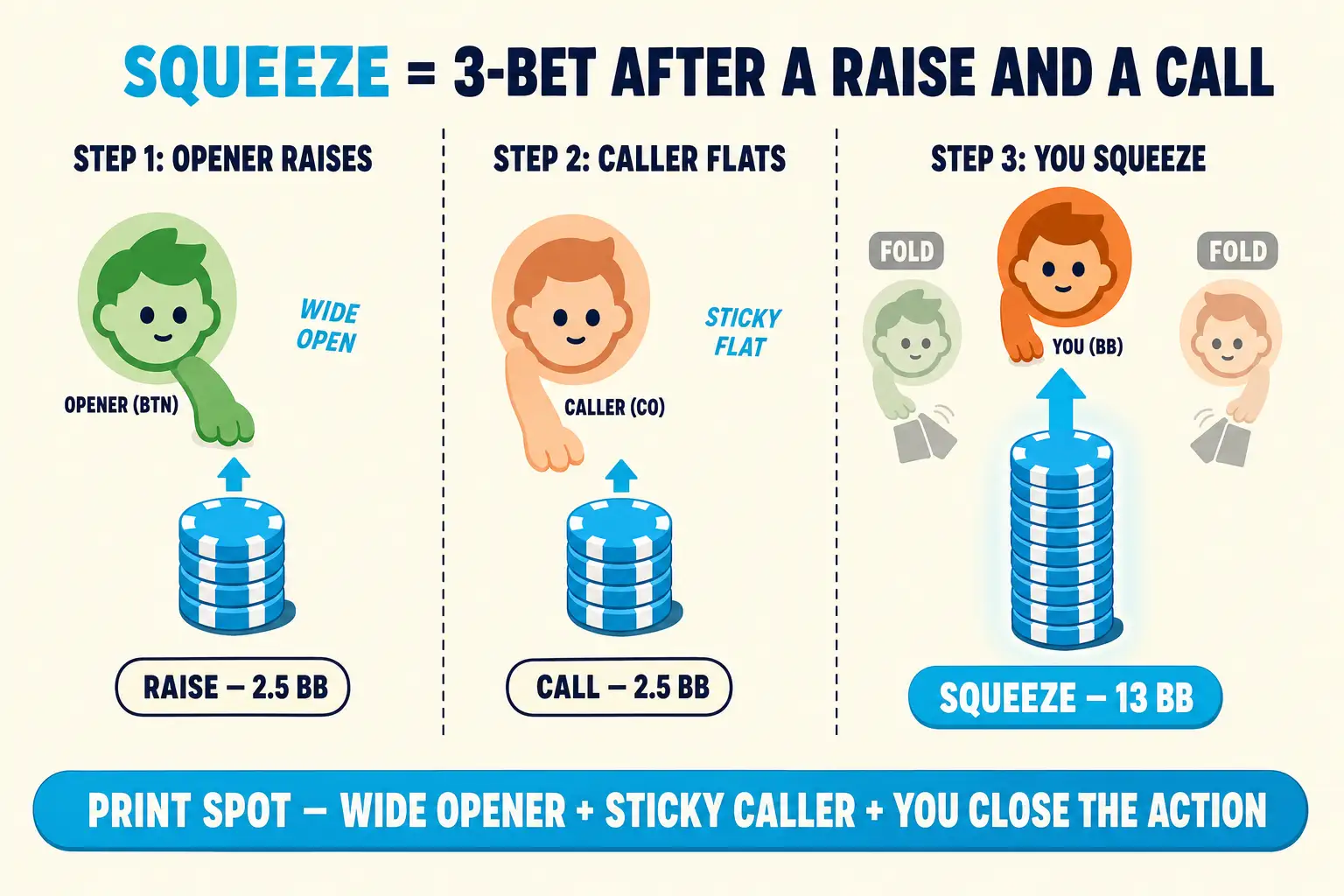
Squeeze play: when to fire, when to fold
A squeeze is a 3-bet over an open and a flat. It prints when three switches line up — wide opener, sticky caller, you closing the action. Walk through the table, three worked spots, and where the play breaks.
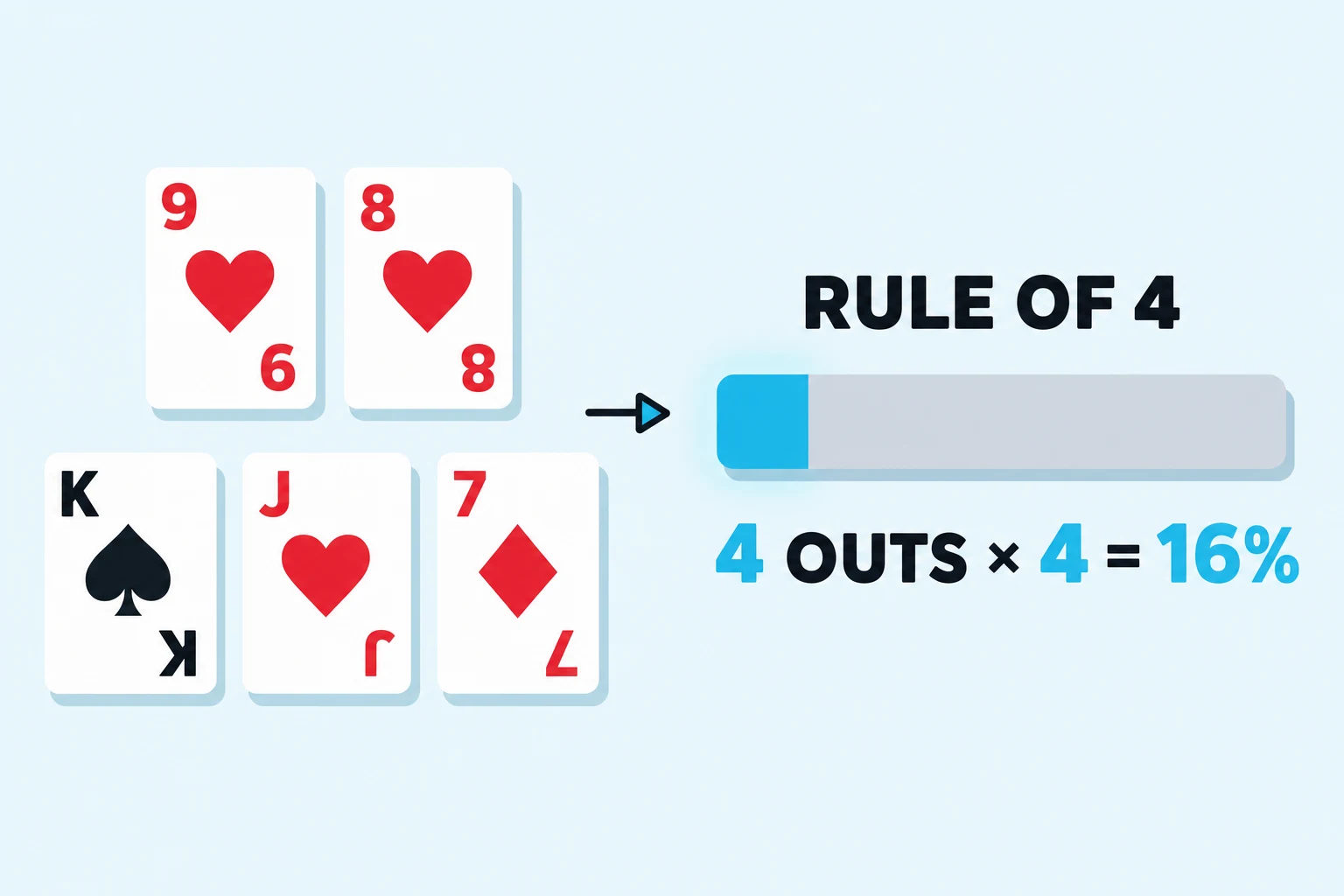
The Rule of 2 and 4: estimate poker equity in your head
Multiply your outs by 2 for the next card, by 4 for the river. Worked hands, the spots where the shortcut overstates, and a live-play pattern you can run in two seconds.
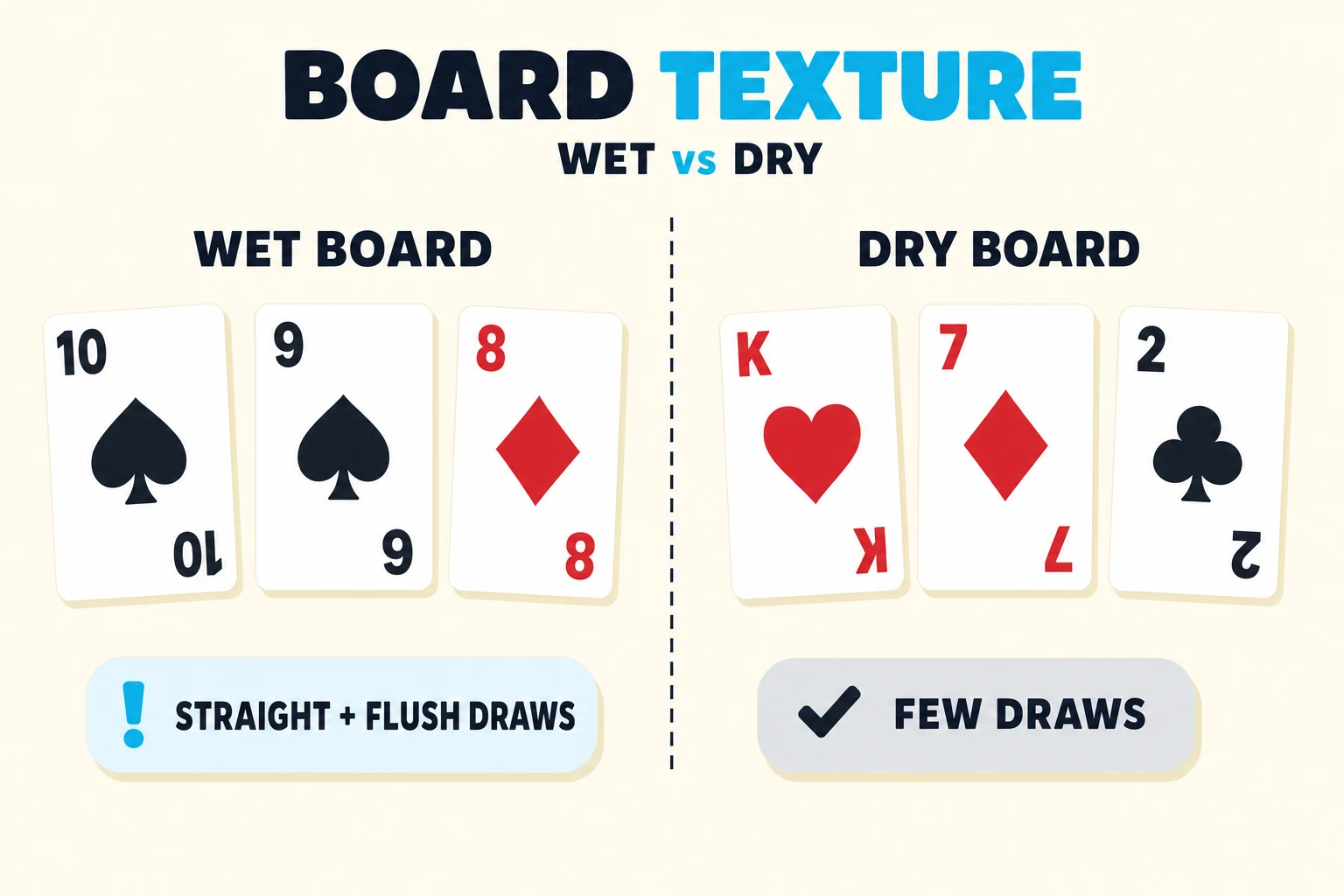
Wet vs Dry Boards: How Texture Decides Your Sizing
Wet boards have live draws and shift hand strength fast; dry boards don't. Bet bigger to protect on wet, smaller and frequent on dry — with six worked flops and the spots where the rule lies.